Aging in Place
The Complete Aging-in-Place Guide
Homeowners who plan spend far less than homeowners who react to a hospital discharge. Here is the order that works.
Reviews Lead, Aging in Place
Elena leads product reviews and the aging-in-place planning guides. Her background is in occupational therapy, and she focuses on matching equipment to actual transfer ability instead of to diagnosis labels or marketing categories.
Areas of expertise: Aging in place planning · Fall prevention · Transfer equipment · Bedroom setups
Credentials: Occupational therapy background; reviews consult practicing OTs
Articles
Aging in Place
Homeowners who plan spend far less than homeowners who react to a hospital discharge. Here is the order that works.
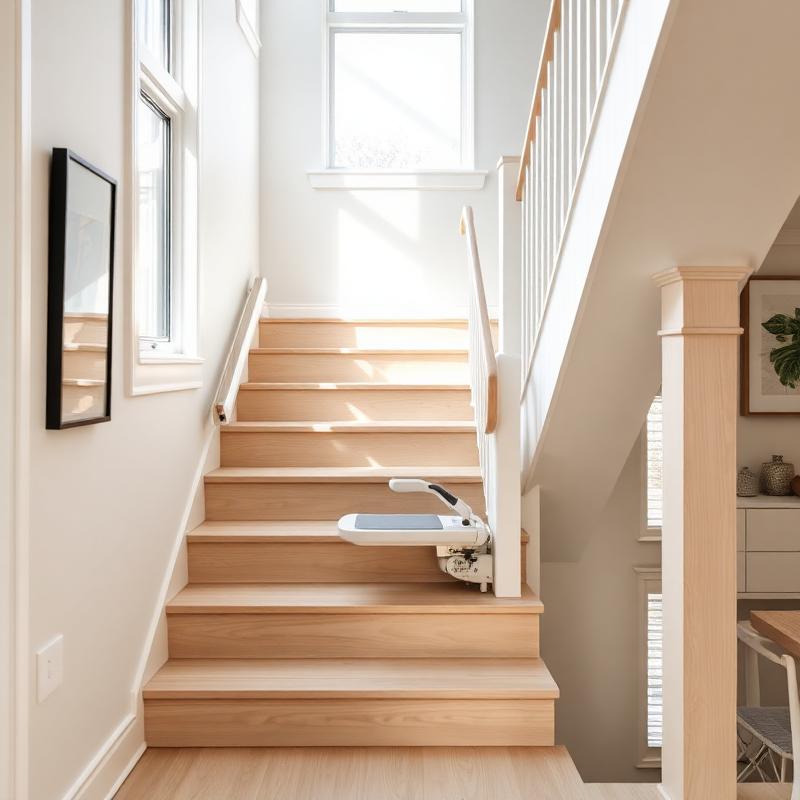
Stair Lifts
Most people pay out of pocket — but several programs are worth checking before you do.
Stair Lifts
Short answer: no, and the reason matters for how you appeal or where you look next.
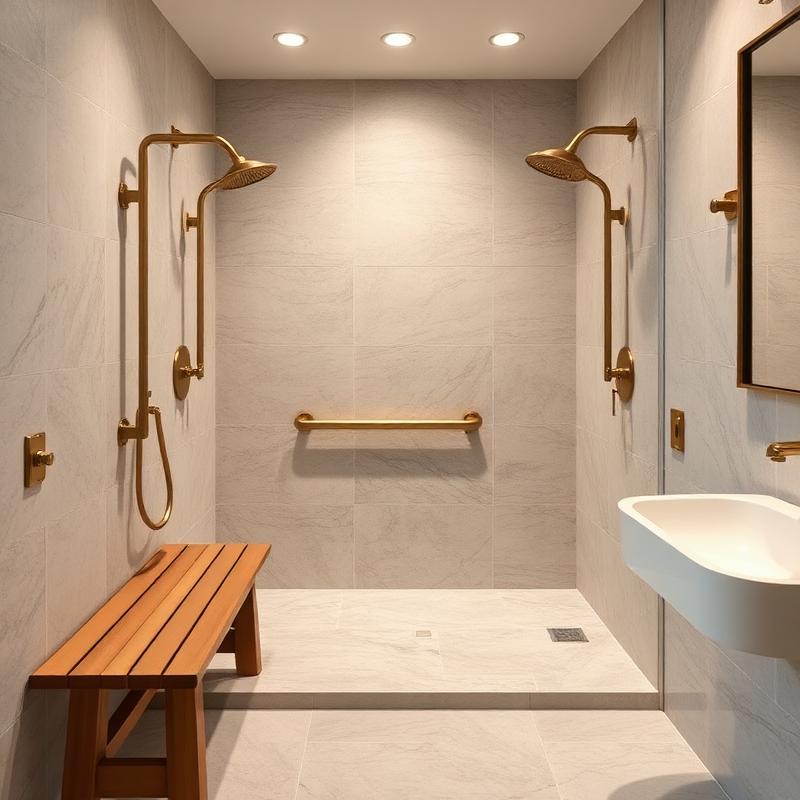
Bathrooms
Three ways to add height, at $40, $200, and $700. They are not interchangeable.
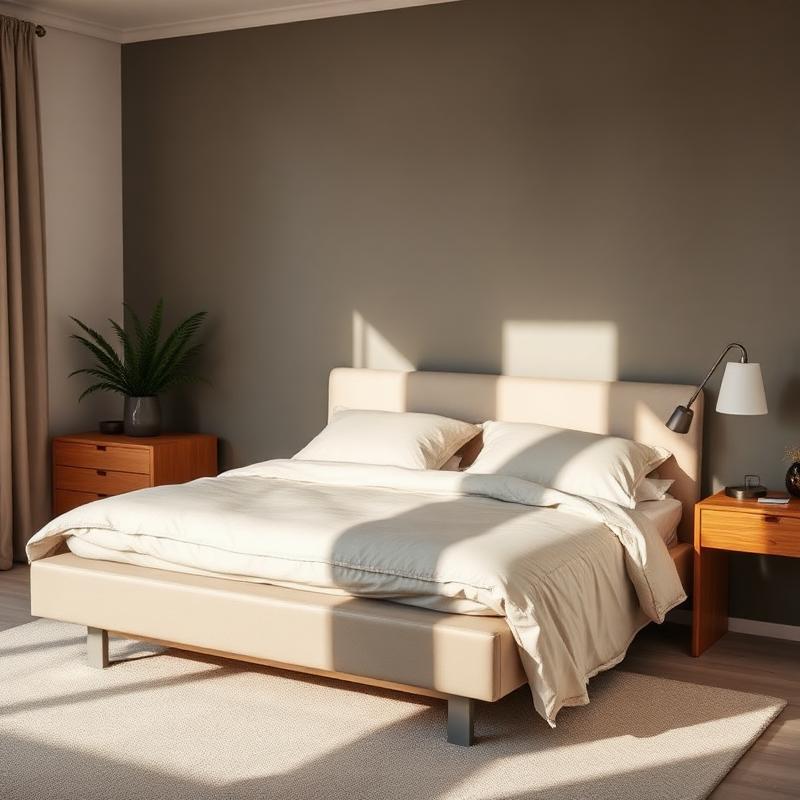
Bedroom
Choose by transfer ability, not by category name. The right bed is the one at the right height.
Bedroom
One changes your posture. The other changes the height of the bed itself.
Bedroom
Feet flat, knees at ninety. Measure the person, not the mattress.
Bedroom
Same function, no clinical look. The premium is real but so is the difference in how a room feels.
Bedroom
Judge these on the remote and the lift range, not on massage settings.
Bedroom
A useful transfer aid with a real, documented risk when the fit is wrong.
Bedroom
Sizing is what makes a lift chair work. Position count is the second question.
Bedroom
Match the aid to how much help is actually needed — under-equipping causes injuries on both sides.
Aging in Place
Walk the house once with this list. It takes twenty minutes and reorders most people's plans.
Aging in Place
Ranked by benefit per dollar — and a note on how to have the conversation.
Aging in Place
Home changes are half of it. The other half is medication, vision, and strength.
Aging in Place
A short list genuinely helps. Most of the category is noise.
Aging in Place
Most of what families want to know can be answered without a single camera.
Bathrooms
Same footprint, same drain, one day of work. That is the cheap version.
Aging in Place
Try the two-inch fix before paying for the two-thousand-dollar one.
Aging in Place
Most tight doorways can be solved with two inches and an hour of labor. The rest is geometry — measure the chair, the approach, and the clear opening before buying anything.
Aging in Place
The most reliable aging-in-place solution is often not equipment — it is relocation. Here is what converting a main-floor room to a bedroom really takes.
Bedroom
When transfers are the daily bottleneck, a ceiling lift carries the person so the caregiver does not. Here is how they work, what they cost, and who they are for.
Bathrooms
No — a walk-in tub is treated as a home improvement, not durable medical equipment. Other programs are the realistic path.
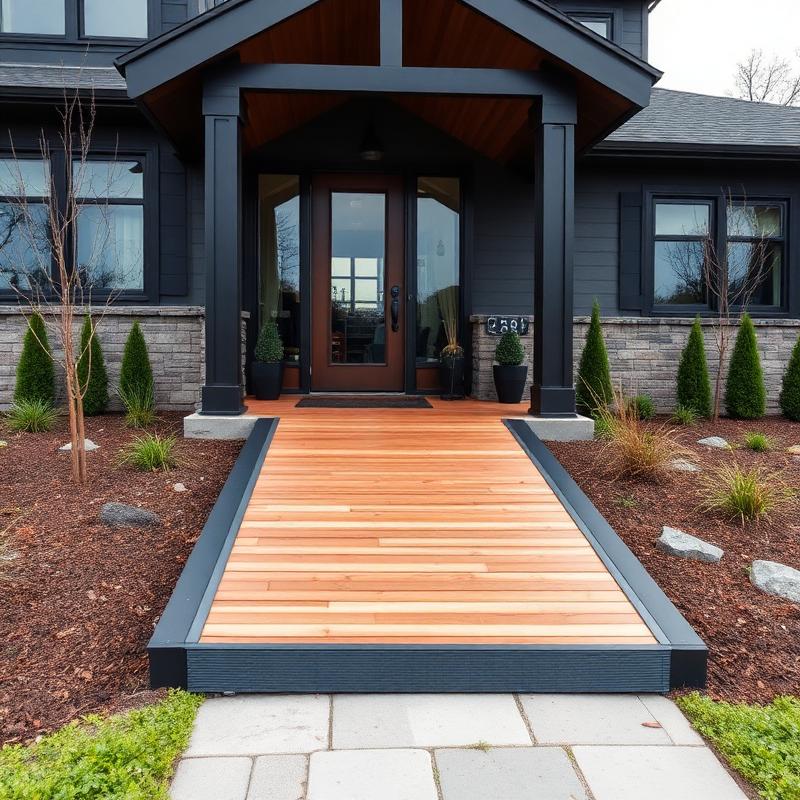
Ramps & Entry
Permanent ramps are home modifications, so Original Medicare excludes them. Portable ramps are usually excluded too — for a different reason.
Aging in Place
Three separate grants, three different tests. Most bathroom and entry projects run through the smallest one — HISA.
Aging in Place
HCBS waivers are the single most likely source of grant-style funding for accessibility work, but coverage, caps, and waiting lists are set state by state. Here is what to ask and where.
Aging in Place
The instinct to haul someone off the floor immediately is exactly wrong. The first step is checking for injury, and the second is deciding whether getting up is even safe to attempt.
Aging in Place
Before you call a contractor or buy equipment, a tape measure and thirty minutes will tell you what your home actually needs. These are the numbers professionals use.
Bathrooms
Resistance to bathing is almost never about the water. It is about fear of falling, loss of privacy, loss of control, or a room that is too cold — and each cause has a different fix.
Bathrooms
Incontinence and toileting difficulty are the most common reason families give up on aging in place — and one of the most fixable with the right equipment and layout.
Aging in Place
Family caregivers injure their backs at rates comparable to warehouse workers — almost always during bed-to-chair and chair-to-toilet moves done with enthusiasm instead of technique.
Bedroom
Setting up for hospice at home happens fast — often in 48 hours. Knowing what the hospice agency delivers, what Medicare pays for, and how to arrange the room keeps a hard week from becoming a chaotic one.
Aging in Place
Lighting is only a third of the low-vision home. Contrast, consistency, and tactile cues do as much — and most of it costs almost nothing.
Aging in Place
The standard smoke alarm is designed for ears that work. For someone with significant hearing loss, the whole alert layer of the home — smoke, doorbell, phone, baby monitor, weather radio — needs to be rebuilt around light and vibration.
Aging in Place
Moving a parent in is usually cheaper than a facility and more livable than the spare bedroom — but garage and basement conversions vary wildly in cost depending on plumbing, zoning, and ceiling height.
Aging in Place
A 60-year-old eye needs roughly two to three times the light a 20-year-old eye needs to see the same detail — and most homes are lit for the 20-year-old.
Aging in Place
Dementia changes which home hazards matter. Grab bars still help, but the bigger risks become the stove left on, the front door at 3 a.m., and a dark floor tile read as a hole.
Aging in Place
You can install every grab bar on the market and still fall over a stack of magazines. Walking routes are the cheapest safety project in the house.
Aging in Place
Winter undoes accessibility faster than anything else — a cleared ramp can ice over in an hour, and a power outage can strand someone upstairs. A seasonal plan prevents most of it.
Aging in Place
Round knobs are one of the cheapest accessibility problems to fix and one of the most commonly ignored. Here is the full ladder of options, from a $20 lever to a $2,500 automatic opener.
Aging in Place
Basement laundry is one of the most common reasons older adults stop doing their own laundry. The fix is usually cheaper than people assume.
Fact-checking
Stair Lifts
Straight rails are close to a catalog product. Curved rails are custom manufacturing. Here is what separates a fair quote from an inflated one.
Stair Lifts
Five brands cover most of the U.S. market. They differ far more on warranty and service coverage than on ride quality.
Stair Lifts
The straight-rail benchmark. Strong warranty, real service coverage, and a price premium that is smaller than most buyers assume.
Bathrooms
The tub is often less than half the invoice. Plumbing, electrical, and the water heater decide the rest.
Bathrooms
It is rarely a budget call — the two cost about the same. The real question is how the person bathes, who helps, and how fast it needs to happen.
Bathrooms
The bar matters less than the anchor. Suction cup products are not grab bars.