Bathrooms
Walk-In Tub vs Accessible Shower
It is rarely a budget call — the two cost about the same. The real question is how the person bathes, who helps, and how fast it needs to happen.
Written by Sarah Jenkins
Reviewed by Elena Marsh
Updated August 27, 2026
Fact-checked August 27, 2026
4 min read
Editorial policy- For daily, independent bathing a curbless shower is faster and easier to keep safe.
- A walk-in tub is the right call when warm-water soaking is the point, not just getting clean.
- Costs overlap heavily — this is not primarily a budget decision.
- Showers generally help resale; walk-in tubs generally do not.
- Timing is the walk-in tub's hidden cost: fill and drain time, and sitting in cooling water, add up daily.
Start with how the person actually bathes
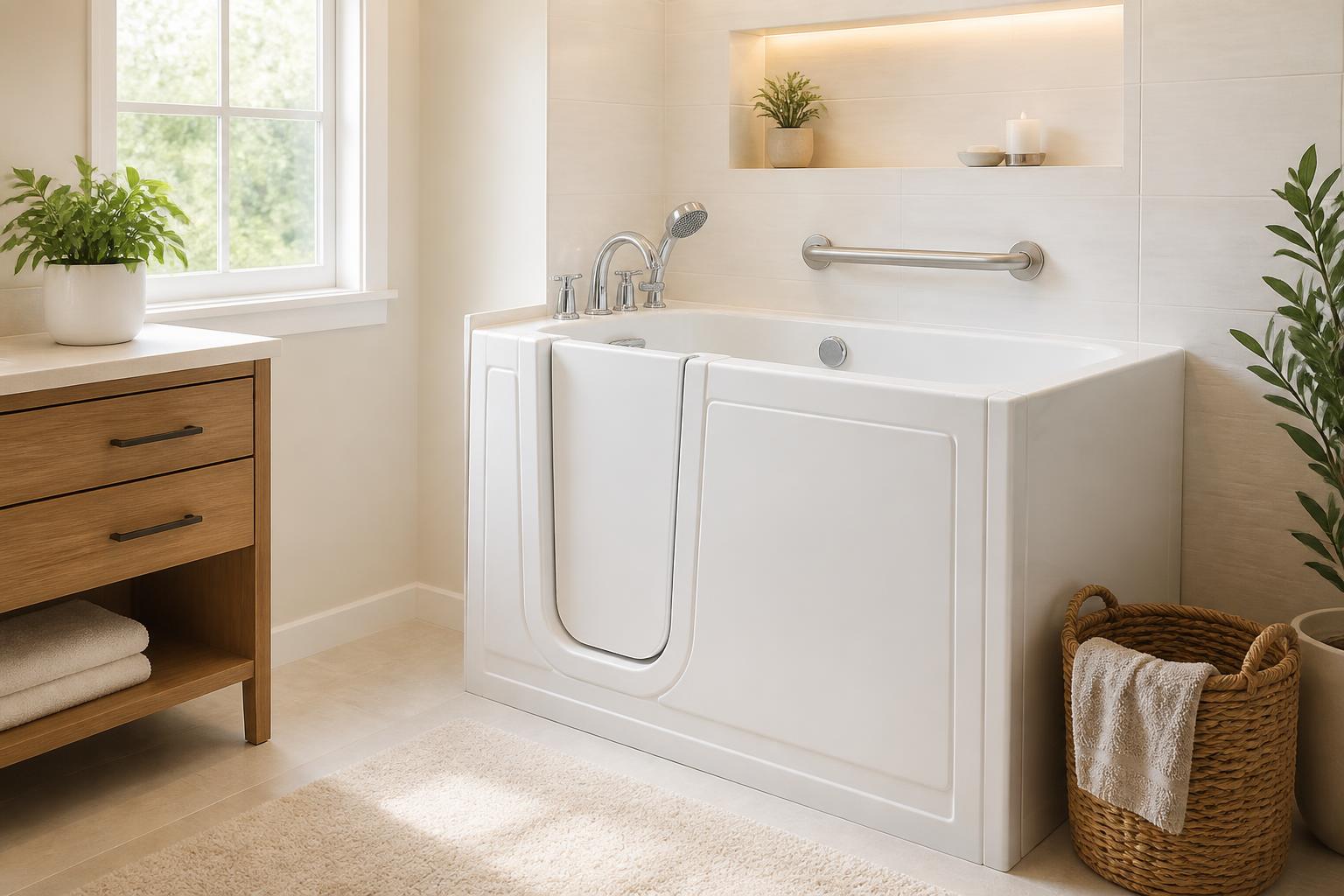
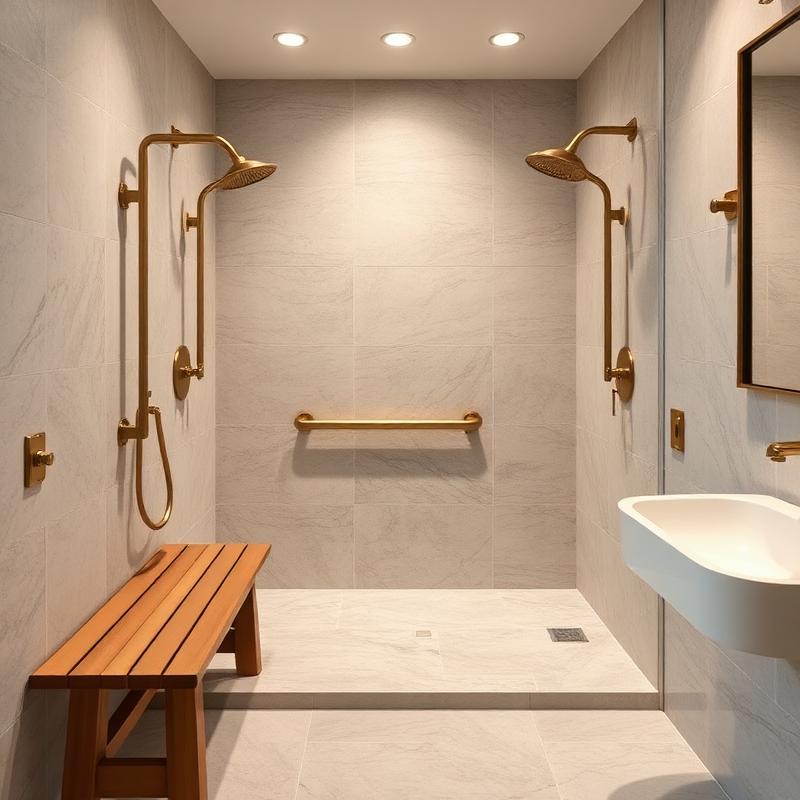
Most people frame this as a feature comparison and miss the question that decides it: does the person want a bath or a shower? A walk-in tub is still a bath — you sit in filling, soaking, and draining water. A curbless shower is a shower. If the person has showered their whole life and only stopped because the tub wall became hard to step over, an accessible shower removes the obstacle without changing the routine. If the person has always preferred soaking and only stopped because the tub wall got dangerous, a walk-in tub restores the routine they want.
The wrong choice is the one the person avoids using. A walk-in tub that goes unused because no one wants to wait for it to fill and drain is an expensive shower replacement sitting empty. A shower installed for someone who genuinely wants to soak is a daily compromise. Start by asking the person, not by comparing spec sheets.
The timing problem walk-in tubs carry
A walk-in tub is not faster than a regular tub — it is slower. The door seals shut, so you cannot start filling until the door is closed and the person is seated inside, and you cannot open the door until the tub fully drains. That means the person sits through the fill (often 10–15 minutes) and the drain (another 10–15 minutes), in water that cools toward the end. For someone bathing daily, that difference compounds into hours every week.
A curbless shower takes roughly the time of any shower. For a caregiver, that time matters too — standing by through a 30-minute tub cycle is a real daily burden that a 10-minute shower avoids.
Caregiving tilts the decision toward the shower
A caregiver can stand at the open entry of a curbless shower and assist directly — reaching in to help with washing, balance, or a transfer bench. A walk-in tub puts a wall between the helper and the person, and the long fill-and-drain cycle means the caregiver is tied up for the whole procedure. If a caregiver is involved now or likely will be, the shower is almost always the more practical choice.
- Shower: caregiver reaches in from outside, assists standing or seated on a bench, and is done quickly.
- Tub: caregiver must lean over a wall, cannot easily help during fill and drain, and is committed to the full cycle.
- For a wheelchair user, a roll-in shower allows entry without a transfer; a walk-in tub still requires a transfer onto the seat.
When the walk-in tub is genuinely the right answer
Warm-water soaking is a real comfort for arthritis and chronic pain, and for some people a bath is simply what they want. If the person will use the tub regularly and values soaking, a walk-in tub they use beats a shower they resent. Hydrotherapy jets and rapid-fill options can shorten the wait, though they add cost.
The tub is also the safer choice for someone who cannot stand safely even briefly. A walk-in tub seat is fixed and built in; a shower needs a seat or bench, and getting onto and off that seat is a transfer. If standing balance is very poor and a seated soak is the goal, the tub can be the more stable option.
Scroll the table sideways to see all columns.
Walk-in tub (basic, installed)
$2,500–$5,000
Walk-in tub (premium, with hydrotherapy)
$6,000–$10,000+
Curbless / roll-in shower (retrofit)
$3,000–$8,000
Curbless shower (full remodel with tile, pan, door)
$8,000–$12,000+
Accessible bathroom remodel (full room)
$12,000–$35,000
Pros
- Built-in seat and grab points designed for the tub
- Warm soaking for comfort and pain relief
- Hydrotherapy and rapid-fill options available
Cons
- Long fill and drain time, daily
- Harder for caregivers to assist
- Narrow resale appeal — many buyers remove it
- High water and energy use per bath
Frequently asked questions
Which is safer, a walk-in tub or an accessible shower?
For most people a curbless shower is safer for daily use because the entry is level, the floor time is short, and a caregiver can assist directly. A walk-in tub is safer than a traditional tub for someone who wants to soak and cannot stand, but it still involves sitting through a long fill and drain in cooling water.
Is a walk-in tub or an accessible shower cheaper to install?
The price ranges overlap — both commonly land between $3,000 and $10,000 installed, with premium versions of either climbing higher. Cost is rarely the deciding factor; daily use, caregiving, and whether the person wants a bath or a shower matter more.
Can a wheelchair user use a walk-in tub?
Not without transferring. A walk-in tub has a built-in seat, but the user must step into the tub and sit down. A roll-in curbless shower allows a wheelchair or shower chair to enter without a transfer, which is why showers are the standard choice for wheelchair users.
Do walk-in tubs hurt resale value?
Often, yes. Walk-in tubs appeal to a narrow market, and many subsequent buyers remove them. Accessible showers appeal to a broader range of buyers and tend to help or at least not hurt resale. If resale is a priority, a curbless shower is usually the safer investment.
How long does a walk-in tub take to fill and drain?
Roughly 10–15 minutes to fill and a similar time to drain, and you cannot open the door until it is empty. Rapid-fill and larger drains shorten this, but the person still sits through the cycle. This timing is the main daily tradeoff versus a shower.
Keep reading
Sarah Jenkins
Editor, Bathrooms & Remodeling
Sarah writes about accessible bathrooms, remodeling budgets, and the difference between a $6,000 shower and a $22,000 one. She reviews product specifications against real installation constraints and has toured more than fifty accessible remodels in progress.
Covers: Accessible bathrooms · Walk-in tubs · Remodel budgeting · Universal design
Make Your Home Safer and Easier to Live In
Practical home-accessibility advice, product comparisons, and cost guides delivered to your inbox.
No spam, no pop-ups. Unsubscribe any time.