Ramps & Entry
Wheelchair Ramp Cost
Ramps are priced by length, and length is set by your rise. Get the geometry right and the quotes become simple to compare.
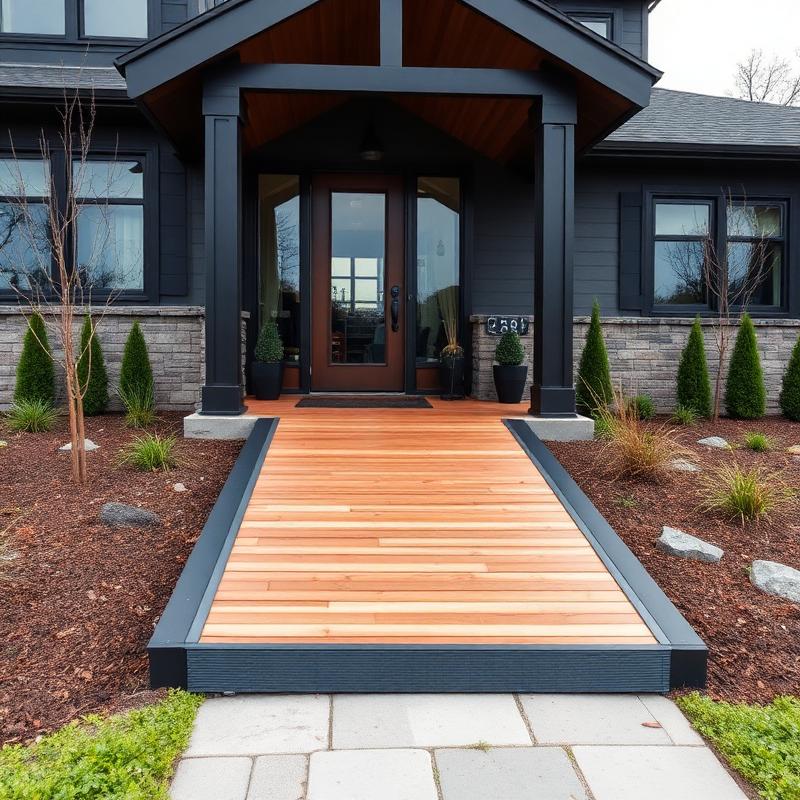
Ramps are priced mostly by length, and length is set by your rise and the slope you choose. Get the geometry right first and the quotes become easy to compare — including whether a porch lift is the better answer for a tall rise.
What it costs
Guides and reviews
12 independent guides, cost breakdowns, and comparisons.
Ramps & Entry
Ramps are priced by length, and length is set by your rise. Get the geometry right and the quotes become simple to compare.
Ramps & Entry
Portable ramps solve one or two steps. Anything taller needs a real structure.
Ramps & Entry
Wood is cheaper today. Aluminum is usually cheaper over ten years.
Ramps & Entry
The cheapest accessibility product that meaningfully changes daily life.
Ramps & Entry
When the rise is over 30 inches and the yard cannot hold a ramp, this is the answer.
Ramps & Entry
The ramp is half the job. The door, the sill, and the landing are the other half.
Ramps & Entry
Get the length right first. Everything else is secondary.
Ramps & Entry
One inch of rise needs about one foot of ramp at the commonly referenced 1:12 slope. Gentler is easier to push.
Ramps & Entry
Permanent ramps are home modifications, so Original Medicare excludes them. Portable ramps are usually excluded too — for a different reason.
Ramps & Entry
A threshold ramp is the cheapest accessibility fix in most homes — provided you size it for the rise instead of guessing.
Ramps & Entry
A wood ramp is the cheapest permanent option if you already have carpentry skills — and the most maintenance of any ramp type.
Ramps & Entry
Concrete is the permanent, zero-maintenance choice. Modular is the flexible, resellable one. Rarely does a home need both.
Practical home-accessibility advice, product comparisons, and cost guides delivered to your inbox.
No spam, no pop-ups. Unsubscribe any time.