Bathrooms
Bathing a Parent Who Resists Help: Why It Happens and What Actually Works
Resistance to bathing is almost never about the water. It is about fear of falling, loss of privacy, loss of control, or a room that is too cold — and each cause has a different fix.
Written by Elena Marsh
Reviewed by Sarah Jenkins
Updated August 27, 2026
Fact-checked August 27, 2026
4 min read
Editorial policyScroll the table sideways to see all columns.
Start with why
Caregivers often describe a parent as stubborn about bathing. In practice, refusal is almost always logical from the inside. Stepping over a 14-inch tub wall onto a wet surface is genuinely frightening for someone who has fallen before. Undressing in front of an adult child reverses a lifetime of roles. A bathroom kept at 68°F feels cold enough to shiver once you are wet and slow-moving.
Ask once, gently, and listen for the actual reason. "What part of it bothers you most?" gets further than "you need a shower." If they cannot or will not say, watch where the resistance starts: the doorway, undressing, stepping in, or the water itself.
Make the bathroom worth trusting
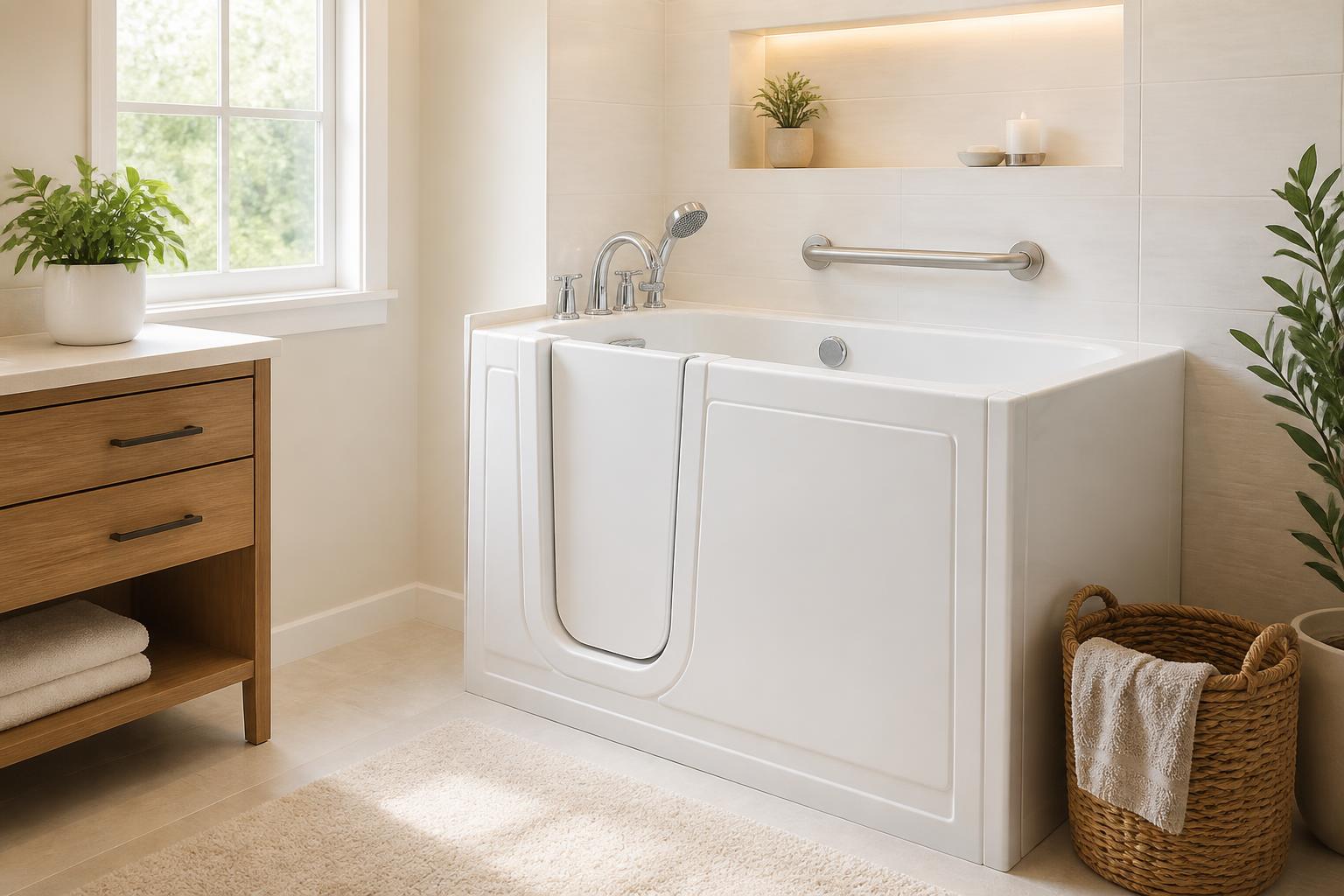
If the room itself is the obstacle, equipment removes the reason for the fight. The highest-impact changes, roughly in order:
- Properly installed grab bars at the entry and inside the bathing area — suction bars are not a substitute for anything load-bearing.
- A shower chair or transfer bench so the whole process can happen seated.
- A handheld showerhead on a slide bar, which puts control of the water in the person's own hand.
- Non-slip surfaces inside and outside the tub or shower.
- Warmth: a wall-mounted heat lamp or a safely placed space heater used only while someone is present, plus towels from a towel warmer or dryer.
A transfer bench is particularly effective for fear-driven resistance because it removes the tub-wall step entirely: the person sits down outside the tub and slides across, never standing on a wet surface. See our shower chair and transfer bench guides for sizing.
Hand control back
People who feel managed resist; people who feel consulted cooperate. Small choices restore dignity without changing the outcome: which day, morning or evening, full shower or a seated sponge bath, music on or off. Where possible, have the person do what they can do themselves — washing their own face and arms while you handle back and feet keeps the interaction a collaboration rather than a procedure.
Frequency is flexible
Daily bathing is a habit, not a health requirement. For most older adults, a full shower or bath two or three times a week plus daily washing of face, underarms, and groin is entirely adequate — and far easier on thinning, dry skin. Dropping from seven negotiations a week to three is often what makes the arrangement sustainable for both people.
When cognitive change is the cause
With dementia, the person may no longer understand what water is for, may find the sound frightening, or may not recognize the helper. The strategies shift: keep the same time and sequence every day, narrate each step before doing it, keep the room very warm, and consider towel baths or no-rinse products on difficult days rather than forcing a full shower. An occupational therapist can observe the actual routine and spot the friction point in one visit.
When to bring in help
- Home health aides through an agency can handle bathing a few times a week; many families find a parent accepts help from a professional they refused from family.
- An occupational therapy home visit evaluates the bathroom and the routine together and is often covered when ordered by a physician.
- If resistance comes with new confusion, weight loss, or skin changes, mention it to the doctor — refusal is sometimes a symptom, not a preference.
Frequently asked questions
How often does an older adult actually need to bathe?
For most people, two or three full showers or baths per week plus daily washing of the face, underarms, and groin is sufficient and often better for aging skin than daily full bathing. Individual medical conditions can change this — ask the person's clinician if unsure.
Is it safe to bathe someone with dementia by myself?
Often yes, with the right setup: a shower chair, grab bars, a handheld showerhead, a warm room, and a calm, consistent routine. If the person becomes physically agitated or is much larger than you, bring in a home health aide rather than risk a fall for either of you.
What if my parent refuses all help from me specifically?
This is common and usually about roles, not you. A paid aide, a different family member, or framing the help as temporary often works where persistence does not.
Keep reading
Elena Marsh
Reviews Lead, Aging in Place
Elena leads product reviews and the aging-in-place planning guides. Her background is in occupational therapy, and she focuses on matching equipment to actual transfer ability instead of to diagnosis labels or marketing categories.
Covers: Aging in place planning · Fall prevention · Transfer equipment · Bedroom setups
Make Your Home Safer and Easier to Live In
Practical home-accessibility advice, product comparisons, and cost guides delivered to your inbox.
No spam, no pop-ups. Unsubscribe any time.