Cost guide
Tub-to-Shower Conversion Cost
Same footprint, same drain, one day of work. That is the cheap version.
Written by Elena Marsh
Reviewed by Sarah Jenkins
Updated August 26, 2026
Fact-checked August 26, 2026
2 min read
Editorial policyScroll the table sideways to see all columns.
What you are actually paying for
- Demolition and disposal of the old tub and surround
- Plumbing: the drain location, the valve, and often a new handheld sprayer line
- The pan or tiled base, and waterproofing behind it
- Wall surround: acrylic panels are cheaper than tile, and faster
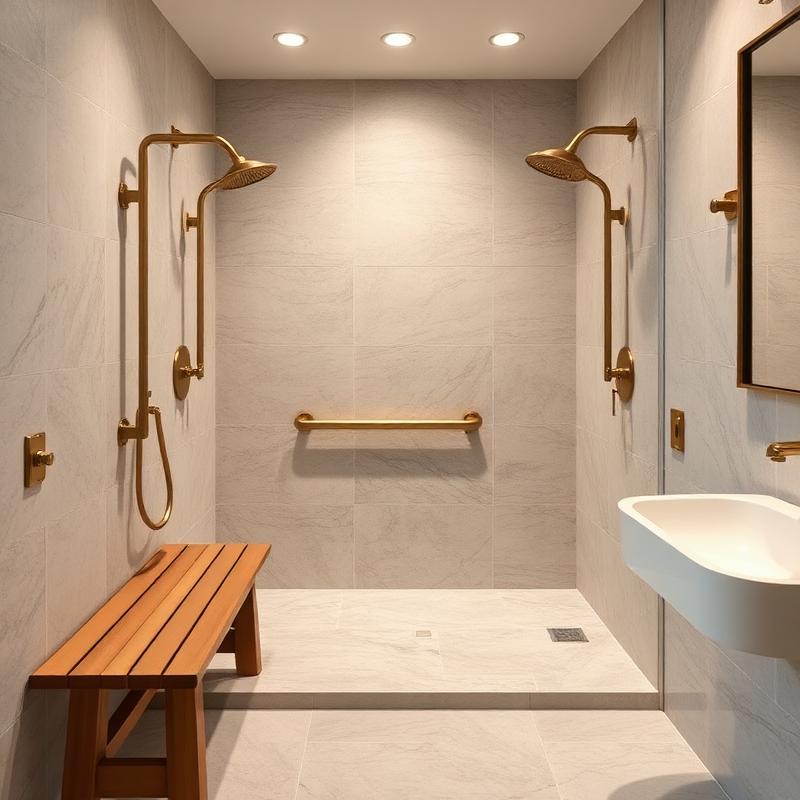
- Accessories that make the shower usable: grab bars, a seat, a handheld sprayer on a slide bar
- Finish work such as flooring transitions, paint, and a new door or curtain rod
The threshold decision drives everything
A low-threshold pan sits on the existing floor and keeps a small lip to hold water in. It is far cheaper because the floor structure is untouched. A truly curbless, roll-in shower needs the drain relocated and the subfloor recessed or the whole bathroom floor built up, which is why it belongs in a different budget conversation entirely. Our roll-in shower cost guide covers that path.
Do not skip the accessories
A beautiful new shower that has nothing to hold onto is not an accessible shower. Budget from the start for properly blocked grab bars, a bench or fold-down seat, a handheld sprayer that can be used while seated, and a slip-resistant floor surface.
Where the quote can surprise you
- Old galvanized or cast iron plumbing that has to be replaced once it is exposed
- Water damage or rot discovered under the tub
- A tub that has to be cut apart to get it out of a small bathroom
- Moving the valve, which usually means opening the wall on the other side
- Ventilation upgrades if the bathroom has no working exhaust fan
Tub-to-shower versus a walk-in tub
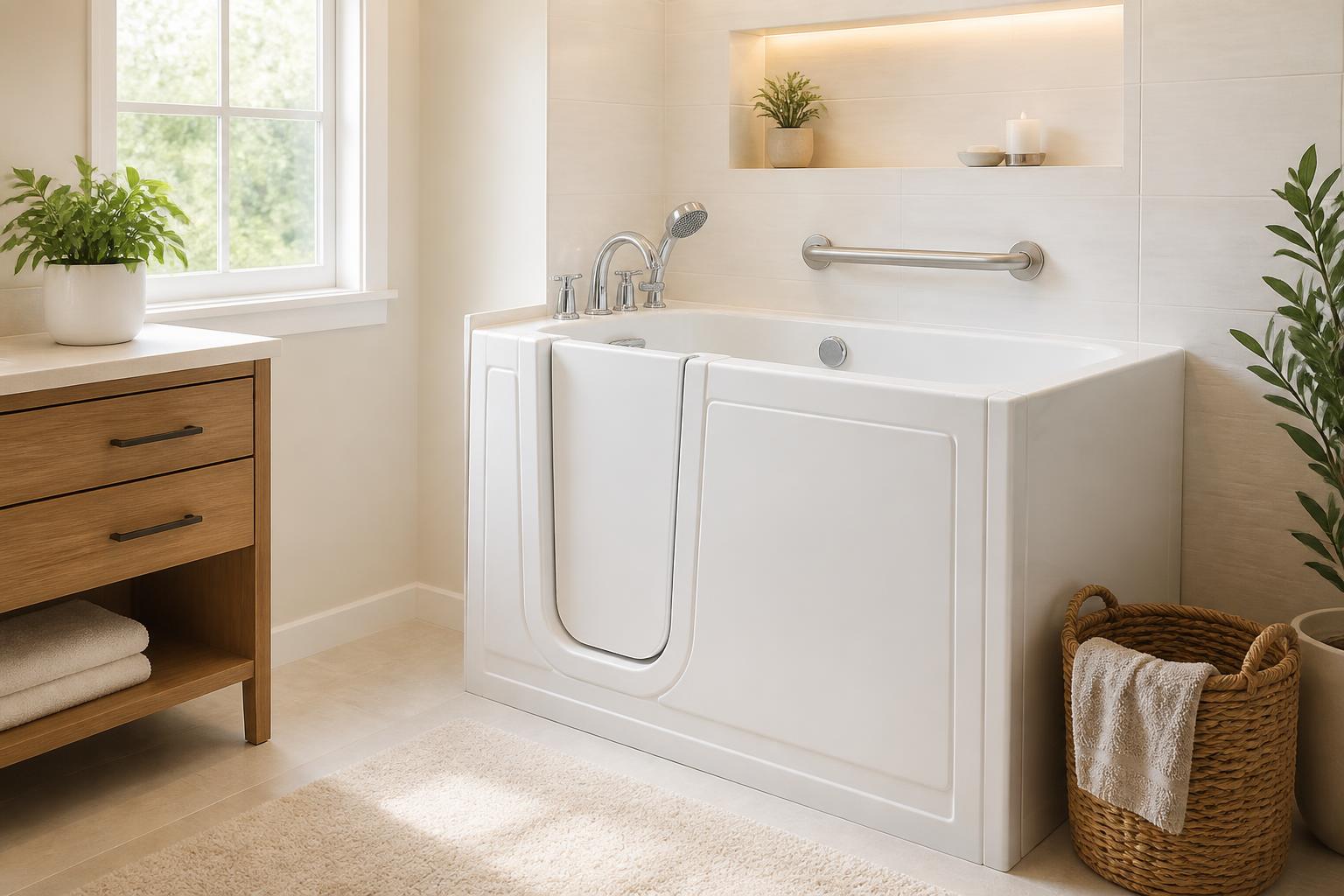
These solve different problems. A shower conversion suits someone who can stand or transfer to a seat and wants a quick, easy wash. A walk-in tub suits someone who wants to bathe seated in water and can tolerate the fill and drain wait. Our walk-in tub versus accessible shower comparison lays out the trade-offs.
Getting a comparable quote
- Ask whether the drain is being reused or relocated. This one line explains most price gaps.
- Confirm whether the price includes grab bar blocking and the bars themselves.
- Ask what happens, and what it costs, if rot is found under the tub.
- Get the wall surround material named specifically: acrylic, solid surface, or tile.
- Confirm how many days the bathroom will be out of service.
Frequently asked questions
Does removing the only bathtub hurt resale value?
It can matter in a one-bathroom house where buyers expect a tub. In a home with more than one bathroom, keeping a tub elsewhere generally resolves the concern.
How long does a tub-to-shower conversion take?
A same-footprint prefab conversion is often a one to three day job. Tiled showers take longer because of waterproofing and cure times.
Can a shower conversion be done without opening walls?
Often yes, if the valve and drain stay where they are. Moving either one usually means opening the wall.
Keep reading
Elena Marsh
Reviews Lead, Aging in Place
Elena leads product reviews and the aging-in-place planning guides. Her background is in occupational therapy, and she focuses on matching equipment to actual transfer ability instead of to diagnosis labels or marketing categories.
Covers: Aging in place planning · Fall prevention · Transfer equipment · Bedroom setups
Make Your Home Safer and Easier to Live In
Practical home-accessibility advice, product comparisons, and cost guides delivered to your inbox.
No spam, no pop-ups. Unsubscribe any time.