Bathrooms
Best Grab Bars
The bar matters less than the anchor. Suction cup products are not grab bars.
Written by Sarah Jenkins
Reviewed by Elena Marsh
Updated July 31, 2026
Fact-checked July 31, 2026
2 min read
Editorial policy- A properly installed grab bar must support at least 250 pounds of force.
- Suction-cup bars are balance aids at best and should never bear weight.
- Anchor into studs or into blocking added behind the wall.
- Textured or knurled finishes hold better on wet hands than polished chrome.
Where bars belong
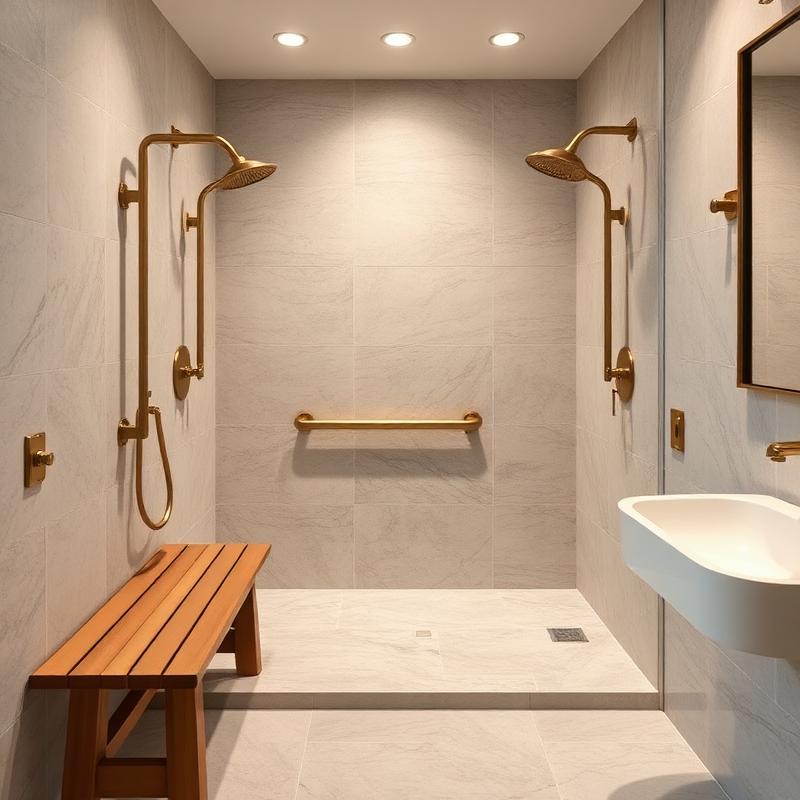
At the shower entry, along the long wall of the shower, beside the toilet, and near the tub if one is used. Placement should match how the specific person actually moves — which is why an occupational therapist assessment pays for itself here.
- Vertical bar at the shower entry for stepping in
- Horizontal or angled bar along the shower wall
- Bar beside the toilet at 33–36 inches from the floor
- Second bar opposite, where the toilet sits away from a wall
Installation is the product
A $30 bar anchored into a stud is far safer than a $200 designer bar screwed into tile and drywall. If studs are not where the bar needs to be, have blocking added or use a purpose-made toggle anchor rated for the load.
Keep reading
Sarah Jenkins
Editor, Bathrooms & Remodeling
Sarah writes about accessible bathrooms, remodeling budgets, and the difference between a $6,000 shower and a $22,000 one. She reviews product specifications against real installation constraints and has toured more than fifty accessible remodels in progress.
Covers: Accessible bathrooms · Walk-in tubs · Remodel budgeting · Universal design
Make Your Home Safer and Easier to Live In
Practical home-accessibility advice, product comparisons, and cost guides delivered to your inbox.
No spam, no pop-ups. Unsubscribe any time.