Bathrooms
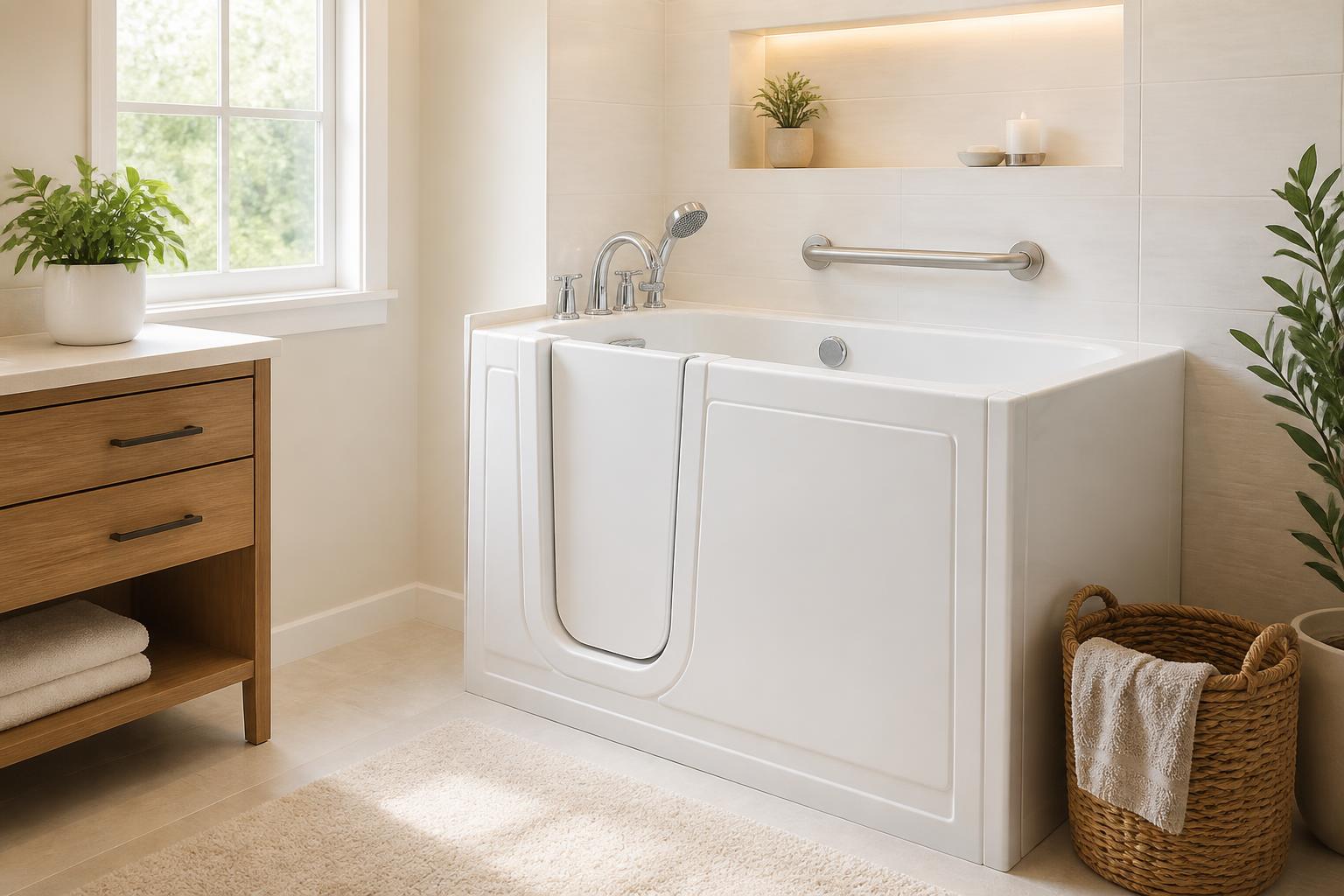
Does Medicare Pay for Walk-In Tubs?
No — a walk-in tub is treated as a home improvement, not durable medical equipment. Other programs are the realistic path.
Written by Elena Marsh
Reviewed by Marcus Thorne
Updated August 27, 2026
Fact-checked August 27, 2026
3 min read
Editorial policyScroll the table sideways to see all columns.
Why Medicare says no
To be covered as durable medical equipment, an item must be reusable, used in the home, primarily medical in nature, and not useful to someone who is not sick or injured. A bathtub fails the last two tests: it is a permanent fixture that anyone in the household can use. That is the same reason stair lifts, grab-bar installation, and shower remodels are excluded.
A prescription does not change the classification, so there is no appeal path that turns a tub into covered equipment. If a claim is denied on those grounds, the productive move is to switch programs rather than appeal.
What Medicare Advantage sometimes covers
Medicare Advantage plans may offer supplemental benefits that Original Medicare does not, including modest home-safety or home-modification allowances. Amounts are typically a few hundred to a couple thousand dollars per year and are more often used for grab bars, shower seats, and handheld shower heads than for a full tub. Call the plan's member services line and ask about "home modification" and "bathroom safety" benefits by name, then get the pre-approval requirements in writing.
Programs that do fund bathroom work
- Medicaid home and community-based services (HCBS) waivers: many states fund environmental modifications, including accessible bathing, when they help someone stay out of a nursing facility. Caps and waiting lists vary widely.
- VA HISA grant: pays for bathroom modifications needed for access to the home or to essential lavatory facilities; available to some veterans without a service-connected condition as well.
- Area Agency on Aging: local agencies administer Older Americans Act funds and often know about small local repair or modification grants.
- USDA Section 504 loans and grants: for very-low-income rural homeowners; grants are limited to applicants age 62 and older.
- Long-term care insurance: some policies include a home-modification benefit; read the rider before assuming.
Consider whether a tub is the right purchase
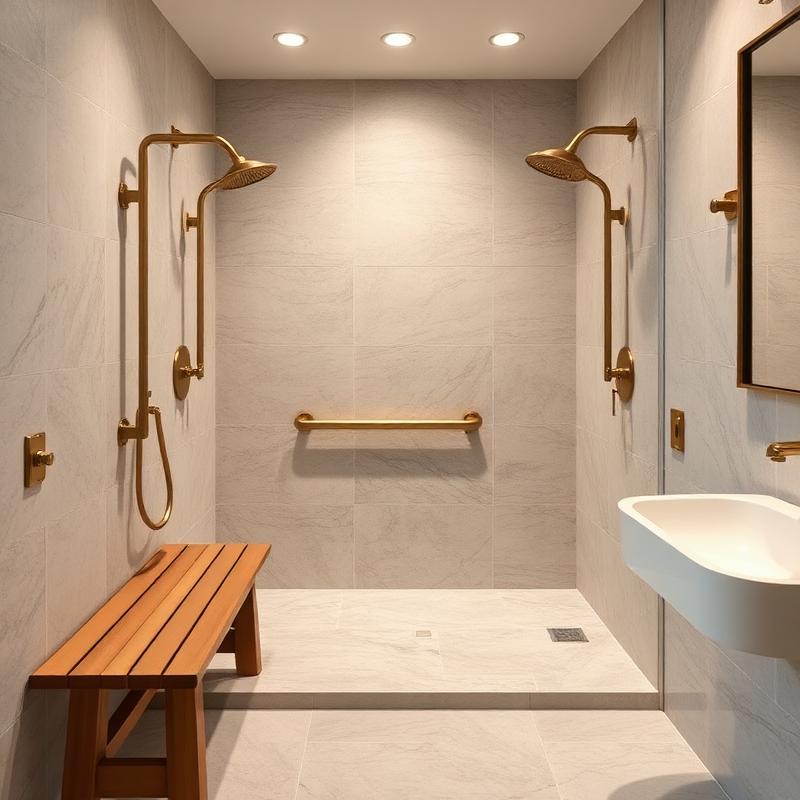
Walk-in tubs still require stepping over a threshold of several inches and sitting while the tub fills and drains. For someone who uses a wheelchair or who cannot sit safely through a fill cycle, a curbless roll-in shower with a bench is usually easier to use and often costs less than a tub plus the plumbing and larger water heater a tub may need. Compare both before committing.
If you are paying out of pocket
- Get at least three itemized quotes that separate the tub, demolition, plumbing, electrical, and finish work.
- Ask whether the existing water heater can fill the tub; an undersized heater is a common surprise cost.
- Confirm door width and floor framing before ordering — a tub that cannot be carried in is an expensive lesson.
- Ask about the warranty on the door seal specifically, since that is the part that fails most often.
Frequently asked questions
Will Medicare pay if my doctor prescribes a walk-in tub?
No. A prescription does not change how the item is classified. Original Medicare covers durable medical equipment, and a tub is treated as part of the home.
Are walk-in tubs tax deductible?
Medically necessary home modifications can sometimes be claimed as a medical expense deduction, and improvements that do not increase home value are treated differently from those that do. Ask a tax professional about your situation and keep the contractor invoice and clinician letter.
Does Medicaid pay for a walk-in tub?
Sometimes, through a state HCBS waiver rather than standard Medicaid coverage. Ask your state Medicaid office or waiver case manager about environmental modification benefits and the current cap.
Does Medicare cover grab bars or shower chairs?
Grab bars are generally treated as home modifications and not covered. Shower and tub seats are usually considered comfort or convenience items rather than durable medical equipment, so they are also typically excluded.
Keep reading
Sources
- Durable medical equipment coverage — Medicare.gov
- Home Improvements and Structural Alterations (HISA) — U.S. Department of Veterans Affairs
- Home and Community-Based Services 1915(c) waivers — Medicaid.gov
- Single Family Housing Repair Loans and Grants (Section 504) — USDA Rural Development
Elena Marsh
Reviews Lead, Aging in Place
Elena leads product reviews and the aging-in-place planning guides. Her background is in occupational therapy, and she focuses on matching equipment to actual transfer ability instead of to diagnosis labels or marketing categories.
Covers: Aging in place planning · Fall prevention · Transfer equipment · Bedroom setups
Make Your Home Safer and Easier to Live In
Practical home-accessibility advice, product comparisons, and cost guides delivered to your inbox.
No spam, no pop-ups. Unsubscribe any time.