Bathrooms
Walk-In Tub Brands Compared: What Actually Differs
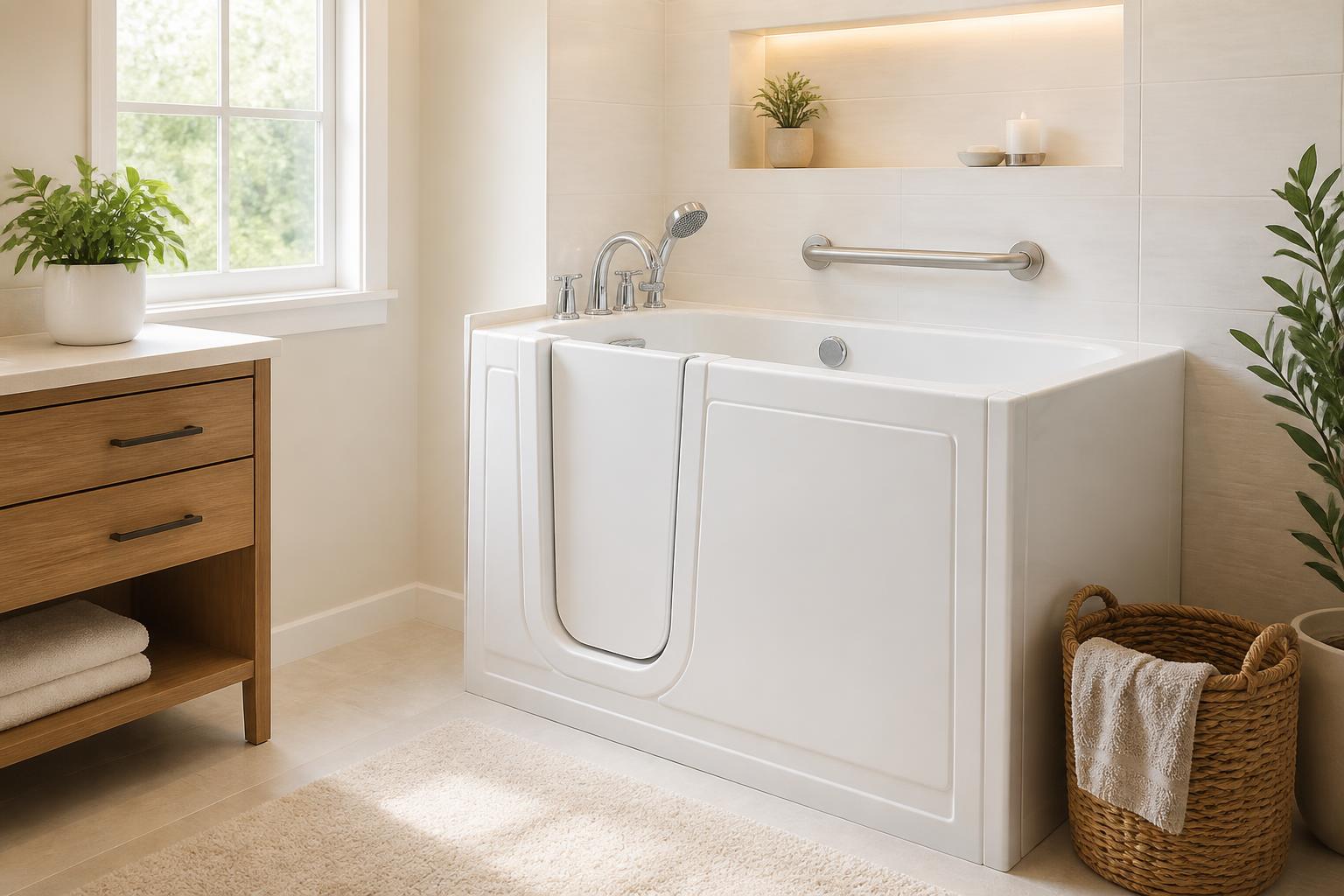
Most walk-in tubs share the same basic parts. What separates brands is the door seal, drain speed, warranty terms, and how the sale is made.
Written by Sarah Jenkins
Reviewed by Elena Marsh
Updated August 27, 2026
Fact-checked August 27, 2026
3 min read
Editorial policyScroll the table sideways to see all columns.
The brands you will encounter
We have not tested these tubs. The notes below describe how each company sells and what it publicly offers, so you know what you are walking into. Model specifics change, so confirm every figure in your written quote.
Listed alphabetically by prominence in the market, not ranked. Home Access Advisor does not accept payment for placement, and we have not physically tested these products.
Scroll the table sideways to see all columns.
Specifications that change daily use
- Drain speed: standard gravity drains can take two to three minutes; fast or dual drains cut that substantially. You are sitting in the cooling tub the whole time.
- Fill speed: depends on your home's water pressure as much as the tub. Ask what fill time the dealer expects at your house.
- Water heater capacity: a walk-in tub can hold 40–80 gallons. A 40-gallon heater may not fill it hot. Ask whether a larger or tankless heater is part of the quote.
- Seat height and width: the seat is where the tub either fits the person or does not. Have the intended user sit in a floor model.
- Door swing: outward-swinging doors are easier to enter and require clear floor space; inward doors seal against water pressure and need no clearance.
- Wheelchair-accessible models: these have a wider, lower outward door for lateral transfers and are a distinct product line, not an upgrade.
- Hydrotherapy: air jets, water jets, or both. Water jets need line cleaning; air jets are quieter and lower maintenance.
How to compare quotes fairly
- Get at least three written quotes, including one from a local plumbing or remodeling contractor rather than only direct sellers.
- Specify the same thing to each: tub size, door direction, jets or no jets, heated seat or not, and who handles the permit.
- Ask each for total installed price with demolition, disposal, plumbing, electrical, tile repair, and permit included.
- Ask what happens to the surrounding wall and floor after the old tub comes out — patching is a common change order.
- Ask for the fill and drain times in writing.
- Do not sign at the first appointment. Same-day discount pressure is a sales technique, not a real deadline.
Our quote review service will read a walk-in tub quote and flag anything unusual before you sign.
Price expectations
Basic soaker walk-in tub, installed
$4,500 – $9,000
Hydrotherapy model, installed
$8,000 – $15,000
Wheelchair-accessible model, installed
$12,000 – $22,000
Water heater upgrade
If the current heater cannot fill the tub hot
$1,200 – $3,500
Dedicated electrical circuit
Common for jetted or heated models
$400 – $1,200
Full detail is in our walk-in tub cost guide, and if you are still weighing the format, read walk-in tub vs accessible shower first.
Frequently asked questions
Which walk-in tub brand is best?
There is no single answer, and we do not name one. The tubs are more alike than the marketing suggests. The bigger variables are the installer's quality, the drain speed, and the warranty terms — all of which differ by dealer even within the same brand.
Why won't companies publish prices?
Installed price genuinely depends on your plumbing, electrical, and bathroom layout, and most of these companies sell through in-home appointments. That is why getting three quotes matters more here than in most home projects.
Does Medicare pay for a walk-in tub?
Original Medicare generally does not cover walk-in tubs, because they are treated as home modifications rather than durable medical equipment. Some Medicare Advantage plans, Medicaid waivers, and VA programs may help. See our dedicated guide.
Can I buy the tub myself and hire a plumber?
Yes. Several manufacturers sell direct to consumers and contractors. It often costs less overall, but you take responsibility for coordinating plumbing, electrical, and any tile repair, and the warranty may require professional installation.
Keep reading
Sources
- Durable medical equipment (DME) coverage overview — U.S. Centers for Medicare & Medicaid Services
- Home improvement contracts and the three-day cancellation rule — U.S. Federal Trade Commission
Sarah Jenkins
Editor, Bathrooms & Remodeling
Sarah writes about accessible bathrooms, remodeling budgets, and the difference between a $6,000 shower and a $22,000 one. She reviews product specifications against real installation constraints and has toured more than fifty accessible remodels in progress.
Covers: Accessible bathrooms · Walk-in tubs · Remodel budgeting · Universal design
Make Your Home Safer and Easier to Live In
Practical home-accessibility advice, product comparisons, and cost guides delivered to your inbox.
No spam, no pop-ups. Unsubscribe any time.