Bathrooms
Shower Chairs and Transfer Benches: How to Choose
If you have to step over a tub wall, a bench usually beats a chair.
Written by Sarah Jenkins
Reviewed by Elena Marsh
Updated August 27, 2026
Fact-checked August 27, 2026
2 min read
Editorial policyWe may earn a commission if you purchase through links on this page. This does not affect our recommendations.
Scroll the table sideways to see all columns.
Specifications that actually matter
- Weight capacity, stated for the seat as used — check whether it differs for a bariatric model.
- Seat height range and whether legs adjust in small increments.
- Seat width and depth measured against the inside of your stall or tub.
- Suction-tipped or rubber feet condition; replace them when they harden.
- Drainage holes and a textured seat so the surface is not slick.
- Back and arm supports, which help with sitting down and standing up.
Transfer bench fitting problems
Two things catch people out. The bench needs clear floor space beside the tub, which a vanity or toilet often occupies. And water escapes where the bench crosses the tub wall, so a split shower curtain or a curtain clipped around the legs is usually needed to keep the floor dry.
Pair it with the right grab bar
A seat removes the standing requirement but not the need for something to hold while moving. A properly anchored grab bar at the transfer point does far more than a towel bar or a suction handle, which is not designed to hold body weight.
When a fixture change makes more sense
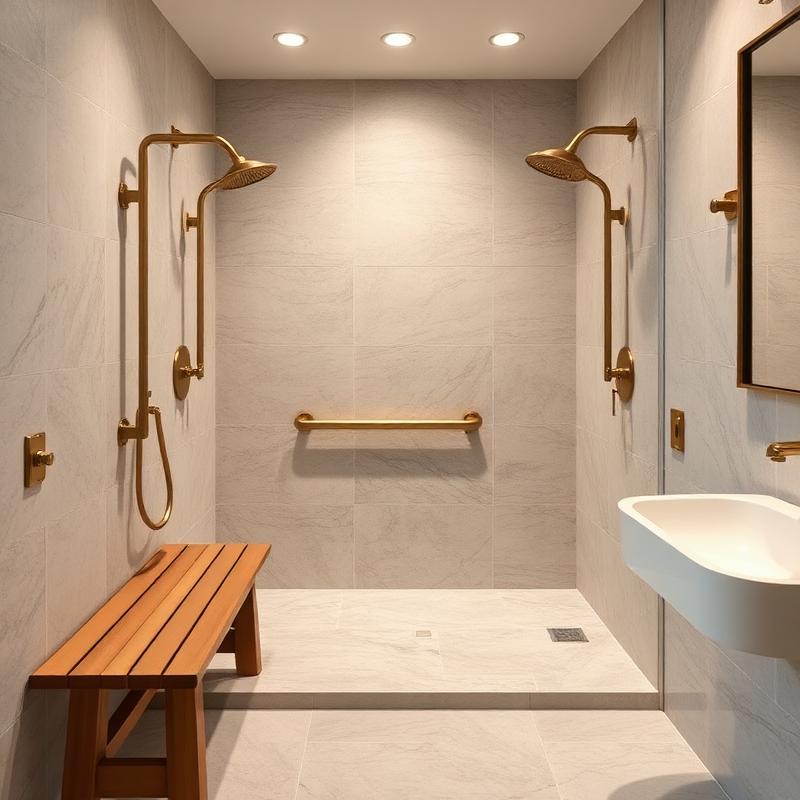
If bathing is difficult every day and the tub is only used for showering, converting the tub to a curbless or low-threshold shower removes the obstacle instead of working around it. Compare the ongoing hassle of a bench against a one-time conversion cost.
Frequently asked questions
Does insurance cover a shower chair?
Bath safety equipment is often excluded from Original Medicare because it is not considered durable medical equipment for use in the home. Some Medicaid programs, Medicare Advantage plans, and veterans' benefits do help; check the specific plan.
Can I use a plastic patio chair instead?
It is not built for a wet, sloped surface and can slide or crack. Equipment with rubber feet, drainage, and a stated weight capacity is a small cost against a fall.
Keep reading
Sources
- Durable medical equipment coverage — Medicare.gov
Sarah Jenkins
Editor, Bathrooms & Remodeling
Sarah writes about accessible bathrooms, remodeling budgets, and the difference between a $6,000 shower and a $22,000 one. She reviews product specifications against real installation constraints and has toured more than fifty accessible remodels in progress.
Covers: Accessible bathrooms · Walk-in tubs · Remodel budgeting · Universal design
Make Your Home Safer and Easier to Live In
Practical home-accessibility advice, product comparisons, and cost guides delivered to your inbox.
No spam, no pop-ups. Unsubscribe any time.