Bathrooms
Wet Room vs Curbless Shower: Which One Fits Your Bathroom?
Both remove the curb, but the scope of the project is very different. One contains the water; the other waterproofs the entire room.
Written by Sarah Jenkins
Reviewed by Elena Marsh
Updated August 27, 2026
Fact-checked August 27, 2026
3 min read
Editorial policyScroll the table sideways to see all columns.
What each one actually is
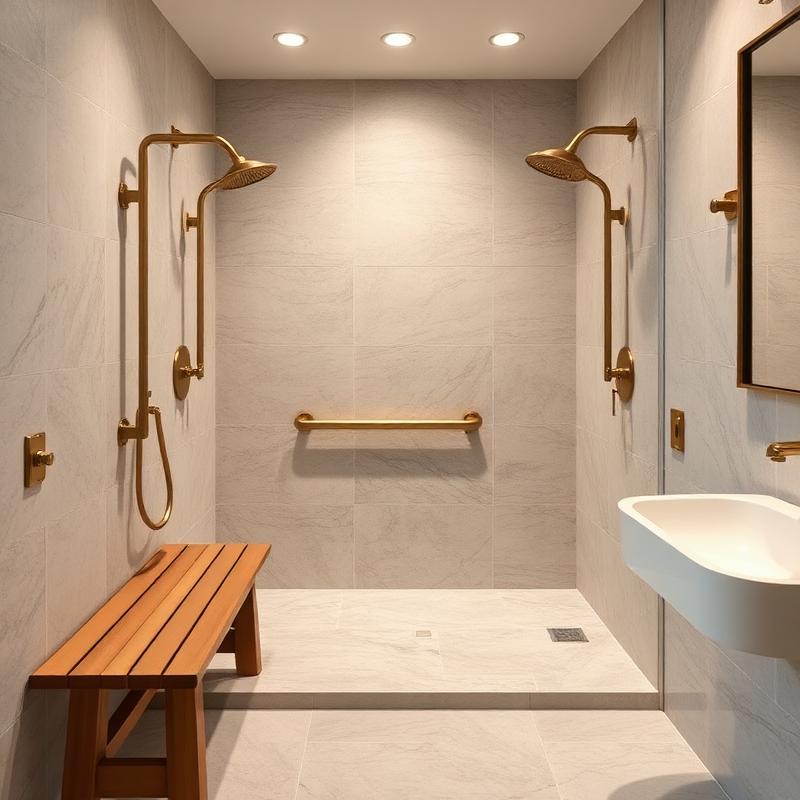
A curbless shower (also called zero-threshold or roll-in) removes the step at the shower entry but still defines a shower area. Water is directed to a drain inside that zone, and a fixed glass panel, a curtain, or careful drain placement keeps spray from spreading.
A wet room removes the concept of a shower area entirely. The entire floor is waterproofed and sloped to a drain, the walls are tanked to at least splash height, and the shower head simply hangs in the room. Everything in the room is expected to get wet.
When a wet room wins
- Very small bathrooms where a 60-inch turning circle and a separate shower zone cannot both fit.
- Wheelchair users who need to roll anywhere in the room with a shower chair, not just into a defined shower stall.
- Caregiver-assisted bathing, where a helper needs room to stand next to the bather without a glass panel in the way.
- Second showers or pool-adjacent bathrooms where the whole-room-wet approach is a feature.
When a curbless shower wins
- You want the rest of the bathroom — vanity, toilet, linens — to stay dry and normal.
- Budget matters: waterproofing one zone is cheaper than tanking a whole room.
- Resale matters: a curbless shower reads as an upgraded bathroom to most buyers, while a wet room can confuse them.
- The bathroom is a primary bath used daily by someone who prefers a defined, warmer shower space.
Cost comparison
Curbless shower conversion
$6,000 – $15,000
Curbless shower as part of a full remodel
$8,000 – $20,000
Wet room conversion, small bathroom
$10,000 – $18,000
Wet room conversion, larger bathroom
$15,000 – $25,000+
Wall-mounted folding seat
Common add-on for both
$150 – $600
Anti-scald thermostatic valve
Strongly recommended for both
$400 – $900
Practical details people miss
- Heated floors matter more in a wet room, because the whole floor stays cooler and wetter. They also help the room dry faster.
- Storage has to move up the wall or outside the room in a wet room — anything at floor level gets soaked.
- Toilet paper needs a covered holder or relocation in a wet room.
- A wet room drain has to handle more water spread across more floor. Linear drains are common for a reason.
- In a curbless shower, a weighted shower curtain outperforms a short glass panel for containing splash from a seated user, whose spray pattern is lower and wider.
Frequently asked questions
Is a wet room more accessible than a curbless shower?
For wheelchair users in very small bathrooms, often yes — there is no boundary to navigate at all. But a well-sized curbless shower with a 36-inch opening and a zero threshold is fully roll-in accessible for most users, and keeps the rest of the room usable and dry.
Do wet rooms cause mold?
Not when built correctly, but they demand more from ventilation and waterproofing than a normal bathroom. The exhaust fan, the membrane under every tile, and the floor slope all have to be right. Skipping any of them is where wet rooms earn a bad reputation.
Can you put a walk-in tub in a wet room?
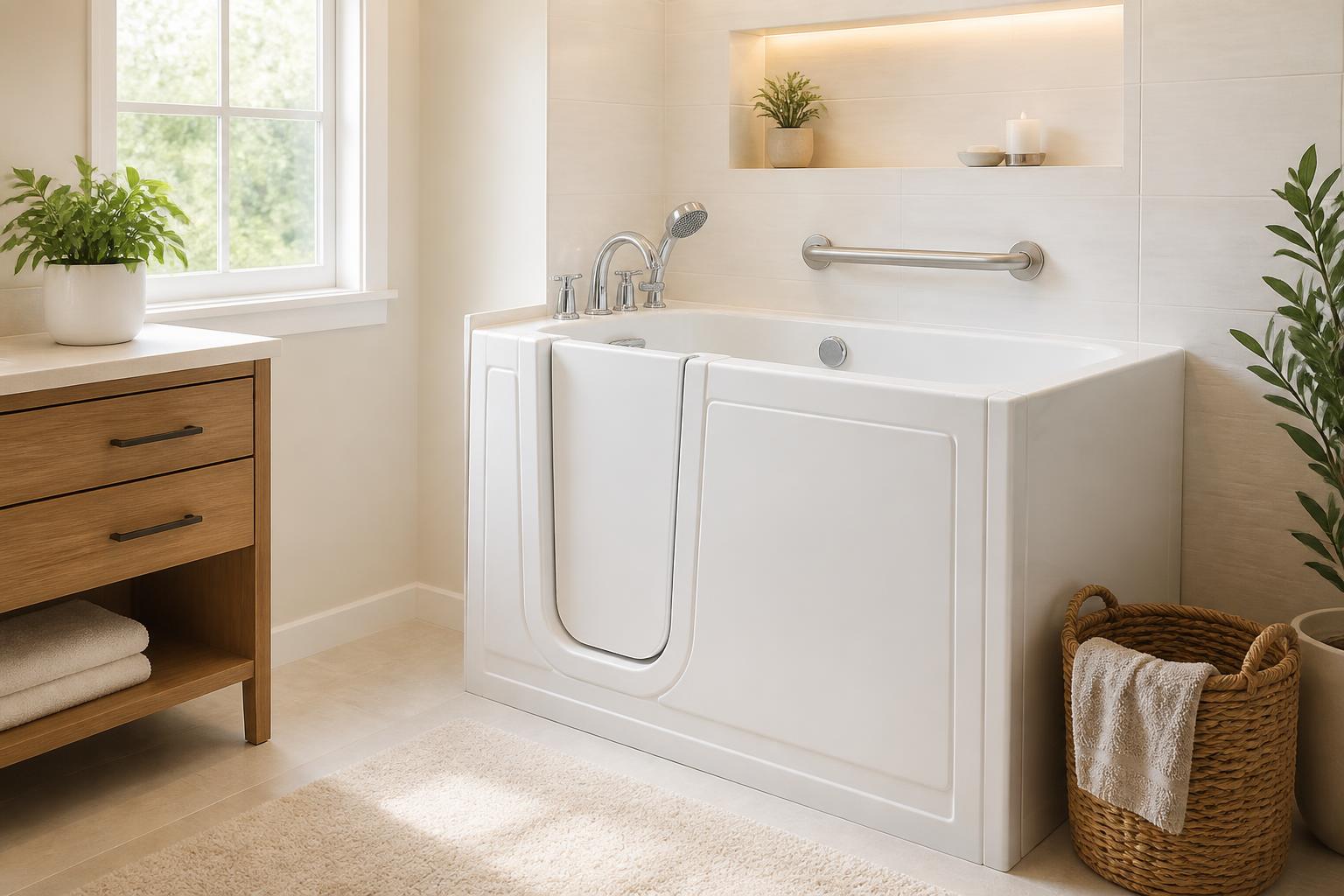
Yes, and it is a common combination — the tub sits in the waterproofed room and any splash or drain overflow is harmless. This is one of the most practical wet room uses.
Does a wet room hurt resale value?
It depends on the market and execution. A well-built wet room in a modern home can be a selling point. A mediocre one reads as a bathroom without a shower enclosure. If resale within a few years is likely, a curbless shower is the safer choice.
Keep reading
Sources
- 2010 ADA Standards for Accessible Design — bathing rooms — U.S. Department of Justice
- Bathroom modification guidance — National Institute on Aging
Sarah Jenkins
Editor, Bathrooms & Remodeling
Sarah writes about accessible bathrooms, remodeling budgets, and the difference between a $6,000 shower and a $22,000 one. She reviews product specifications against real installation constraints and has toured more than fifty accessible remodels in progress.
Covers: Accessible bathrooms · Walk-in tubs · Remodel budgeting · Universal design
Make Your Home Safer and Easier to Live In
Practical home-accessibility advice, product comparisons, and cost guides delivered to your inbox.
No spam, no pop-ups. Unsubscribe any time.