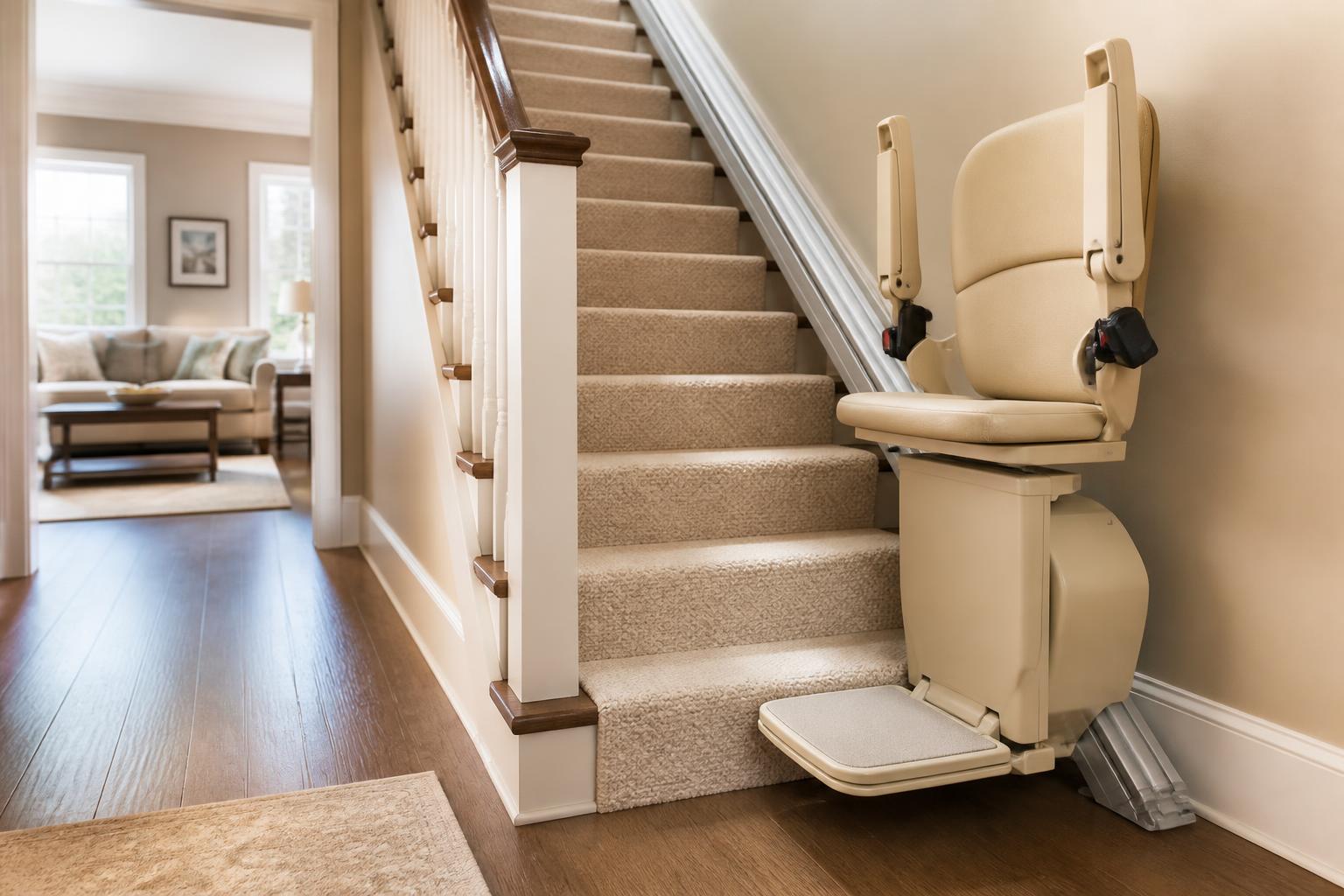
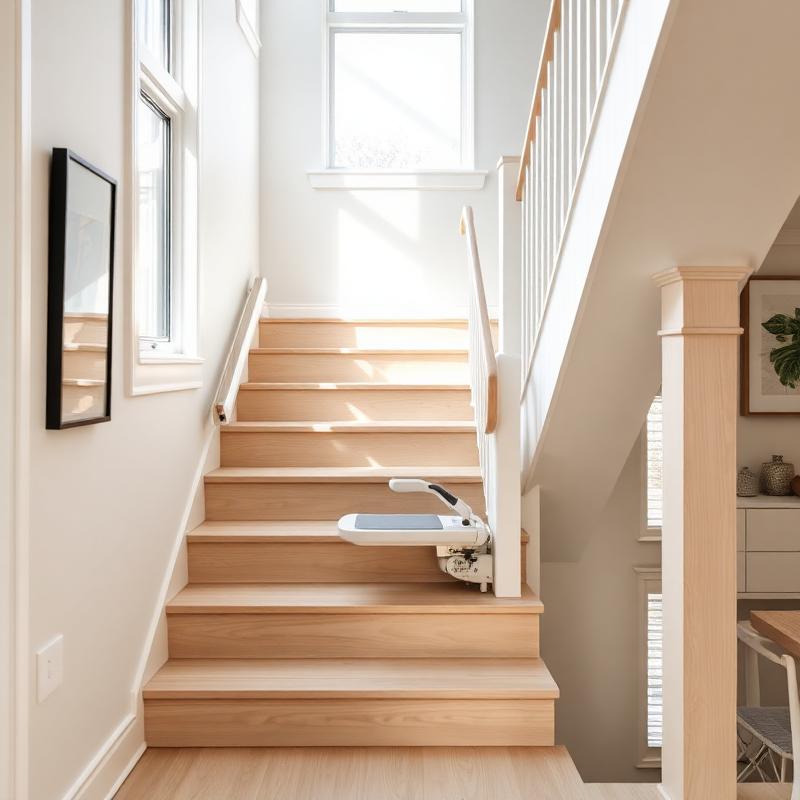
Stair Lifts
Stair Lift Battery Replacement: Signs, Cost, and How Often
The battery is the most common wear part on a stair lift — and the cheapest to fix. Here's how to tell when it's going, what it costs, and what to ask before swapping one.
Written by Marcus Thorne
Reviewed by David Chen
Updated August 27, 2026
Fact-checked August 27, 2026
4 min read
Editorial policyScroll the table sideways to see all columns.
Why the battery fails first
Stair lifts run on battery power and charge through contact points on the rail. That means the battery cycles every single trip — a little discharge on the way up, a recharge at the top, and the same on the way down. No other component works that hard. Even with perfect charging habits, a sealed lead-acid battery loses capacity over a few years of daily cycling.
The warning signs
- The lift runs noticeably slower than it used to.
- It makes fewer trips per charge, or stops mid-rail on a long staircase.
- A charging error or battery icon appears on the carriage or remote.
- The lift works fine near the charge point but struggles at the far end of the rail.
- It has been 3+ years since the last battery service and performance is drifting.
What shortens battery life
- Parking the carriage off the charge point, so it deep-discharges overnight.
- Cold stairwells or outdoor use, which reduces capacity and speeds aging.
- Running near the weight limit, which draws more current per trip.
- A worn or dirty charge-point contact that prevents a full charge.
- Simply time — even an unused battery ages and loses capacity.
Cost to replace
Scroll the table sideways to see all columns.
The battery itself is the cheap part. The dealer call-out fee and labor are what push the total up. If the lift is due for its annual service anyway, bundling the battery with that visit is usually the most economical path.
Can you replace a stair lift battery yourself?
On some models, yes — the manufacturer sells the exact battery and provides instructions, and the job is a swap in a compartment. On others, the battery is integrated or the manufacturer requires a dealer to maintain the safety certification and warranty. Check the manual and warranty terms before opening anything. Using a wrong-spec battery (different voltage or chemistry) can damage the motor and controls and void the warranty.
Battery and backup lowering are not the same thing
Most stair lifts have a backup battery that lowers the carriage to the nearest charge point during a power outage — that is a function of the same main battery, not a separate cell. A healthy battery is what makes the outage-lowering feature actually work. If the battery is weak, the lift may not complete a lowering run when you need it most.
How often should a stair lift battery be replaced?
Most need replacement every 2–5 years. A lift in daily use in a cold stairwell may need it closer to 2; a lightly used one in a temperate home may reach 5. Annual service includes a battery condition check — ask for the result each year so you can plan ahead instead of reacting to a failure.
Does a new battery fix a slow stair lift?
If the slowness is caused by a weak battery, yes — a fresh battery restores normal speed. If the lift is still slow after a new battery, the motor, drive, or a charge-point contact issue is the likely culprit, and that's a service diagnosis, not a battery swap.
Will a lithium battery last longer?
Lithium batteries generally cycle more times and tolerate deep discharge better than lead-acid, so on models that offer them they can last longer. They also cost more and must be the manufacturer's specified part — you cannot drop a lithium battery into a lift designed for lead-acid.
Keep reading
Sources
- Stair lifts and home safety — National Institute on Aging
- Assistive technology programs by state — Administration for Community Living
Marcus Thorne
Senior Editor, Mobility Equipment
Marcus covers stair lifts, home elevators, and platform lifts for Home Access Advisor. He spent eleven years estimating residential remodels before moving into consumer publishing, and he reads dealer quotes for a living — which is why most of his guides start with the line items other sites leave out.
Covers: Stair lifts · Residential elevators · Installation pricing · Dealer quotes
Make Your Home Safer and Easier to Live In
Practical home-accessibility advice, product comparisons, and cost guides delivered to your inbox.
No spam, no pop-ups. Unsubscribe any time.