Review
Stiltz Trio Alta Home Elevator Review
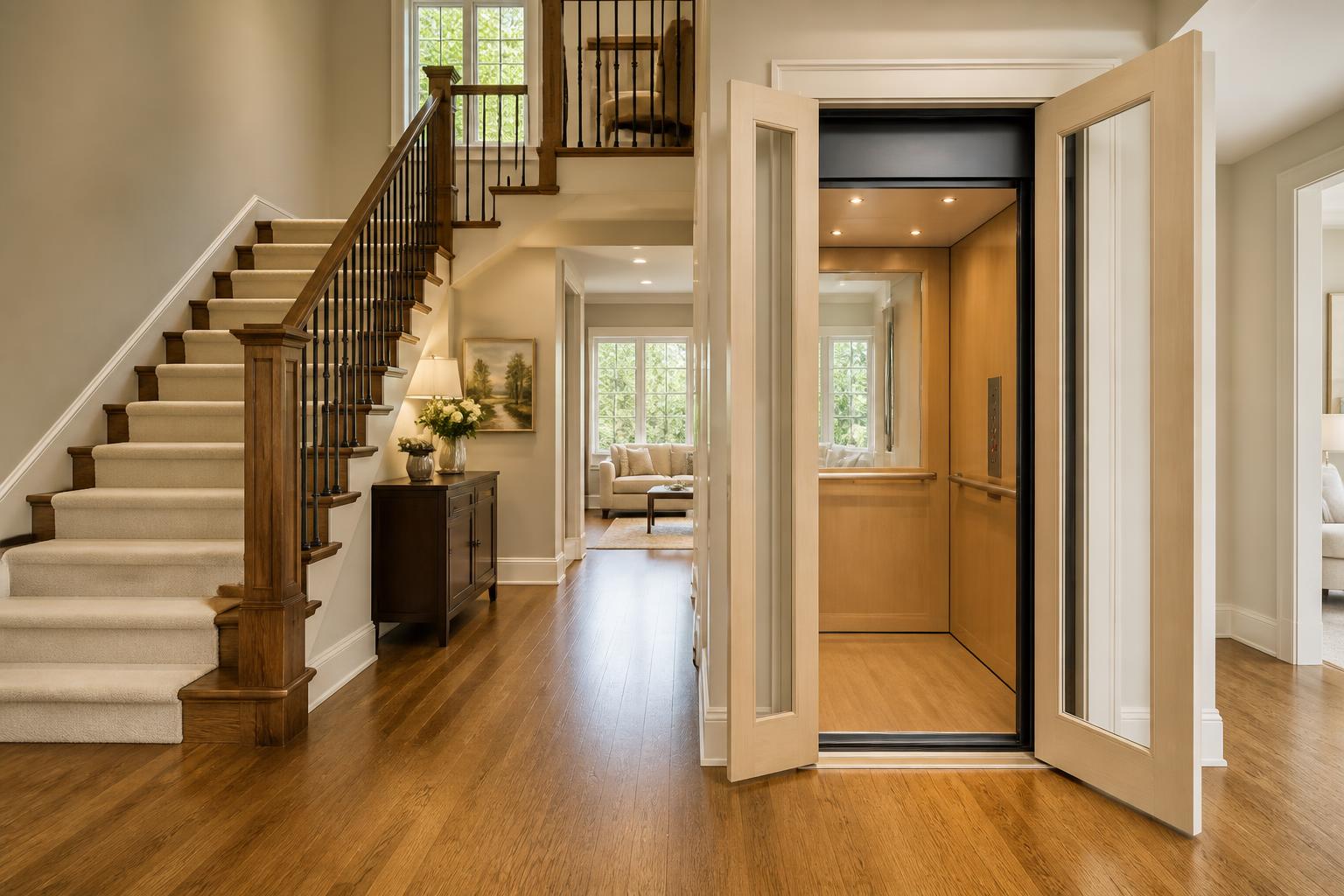
The least disruptive way to put an elevator into an existing house. No hoistway, no machine room, and a footprint that fits in a corner.
Written by David Chen
Reviewed by Elena Marsh
Updated August 27, 2026
Fact-checked August 27, 2026
2 min read
Editorial policyOur Rating
4.4 / 5
Stiltz Trio Alta
Best for: Retrofitting a lift into an existing home with no room for a hoistway
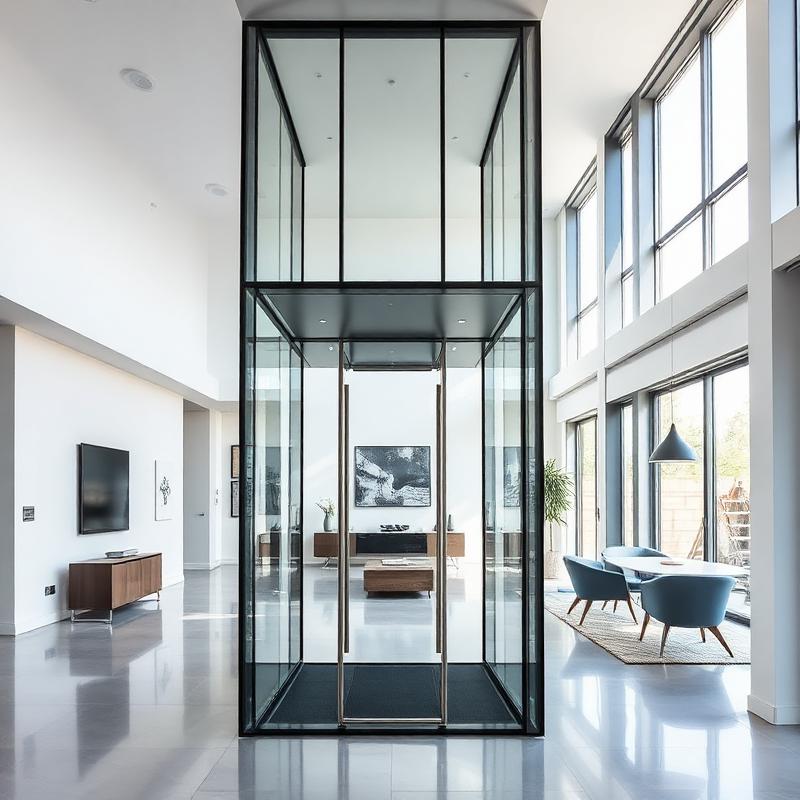
A traditional residential elevator needs a hoistway, a pit, and usually a machine space — real construction that eats a closet on every floor. Shaftless lifts like the Trio Alta run on self-supporting rails and pass through a cut opening in the floor, which is why they finish in days rather than weeks.
Price
Installed quotes typically run $32,000 to $45,000 for a two-stop lift. Structural framing of the floor opening, drywall and finish repair, and dedicated electrical work may be quoted by your contractor separately — ask which of those the elevator quote includes.
Features
- 500 lb capacity on larger cab configurations
- Shaftless, self-supporting rails with no separate machine room
- Small footprint that fits a corner, closet, or stacked space
- Plugs into a dedicated household circuit in most installations
- Battery backup lowering in a power outage on typical configurations
Installation and disruption
Installation is commonly measured in days. The floor opening still has to be framed to a structural engineer's or building official's satisfaction, and most jurisdictions require a permit and inspection. Ask whether the dealer handles the permit or whether that lands on your general contractor.
Where buyers get it wrong
Alternatives
Scroll the table sideways to see all columns.
Pros
- Shaftless design drops through an existing floor, so no machine room or hoistway walls are needed
- Small footprint fits into a closet, corner, or stacked space
- Installation is measured in days, not weeks of construction
- 500 lb capacity accommodates a wheelchair on larger models
Cons
- Costs far more than a stair lift for the same two floors
- Cab is compact; verify wheelchair turning and door clearance in person
- Still requires cutting a structural floor opening and dedicated electrical work
- Annual service is a real ongoing expense
Who should buy it
Homeowners who need to move a wheelchair, walker, or laundry between floors and cannot lose the space a traditional elevator demands.
Who should skip it
Anyone whose need would be met by a stair lift, which typically costs a fraction as much.
Bottom line
The Trio Alta is the least disruptive way to put an elevator in an existing house. Ride in one before you sign — cab size is the thing buyers most often misjudge.
Frequently asked questions
How much does a Stiltz Trio Alta cost?
Most two-stop installations run $32,000 to $45,000 installed. Framing, finish repair, and electrical work can be additional depending on the quote.
Does a shaftless elevator need a pit or machine room?
No separate machine room, and typically no deep pit. It still needs a structural floor opening and a permit in most jurisdictions.
Can a wheelchair fit?
Larger cab configurations are wheelchair-capable, but verify with your actual chair. Door width and turning space decide it, not the capacity rating.
Keep reading
Sources
- Manufacturer product and warranty documentation — Manufacturer materials
- Real Prices Paid submissions, 2025–2026 — Home Access Advisor
David Chen
Editor, Ramps & Entryways
David covers ramps, entry modifications, and the geometry that decides whether a project costs $1,500 or $9,000. He builds the calculators on this site and checks every dimension against published accessibility guidance before publishing.
Covers: Ramp design · Entryway access · Slope and rise calculations · Porch lifts
Make Your Home Safer and Easier to Live In
Practical home-accessibility advice, product comparisons, and cost guides delivered to your inbox.
No spam, no pop-ups. Unsubscribe any time.