Cost guide
How Much Does a Home Elevator Cost?
Equipment is only part of it. Framing, electrical, and permitting are usually a separate contractor's invoice.
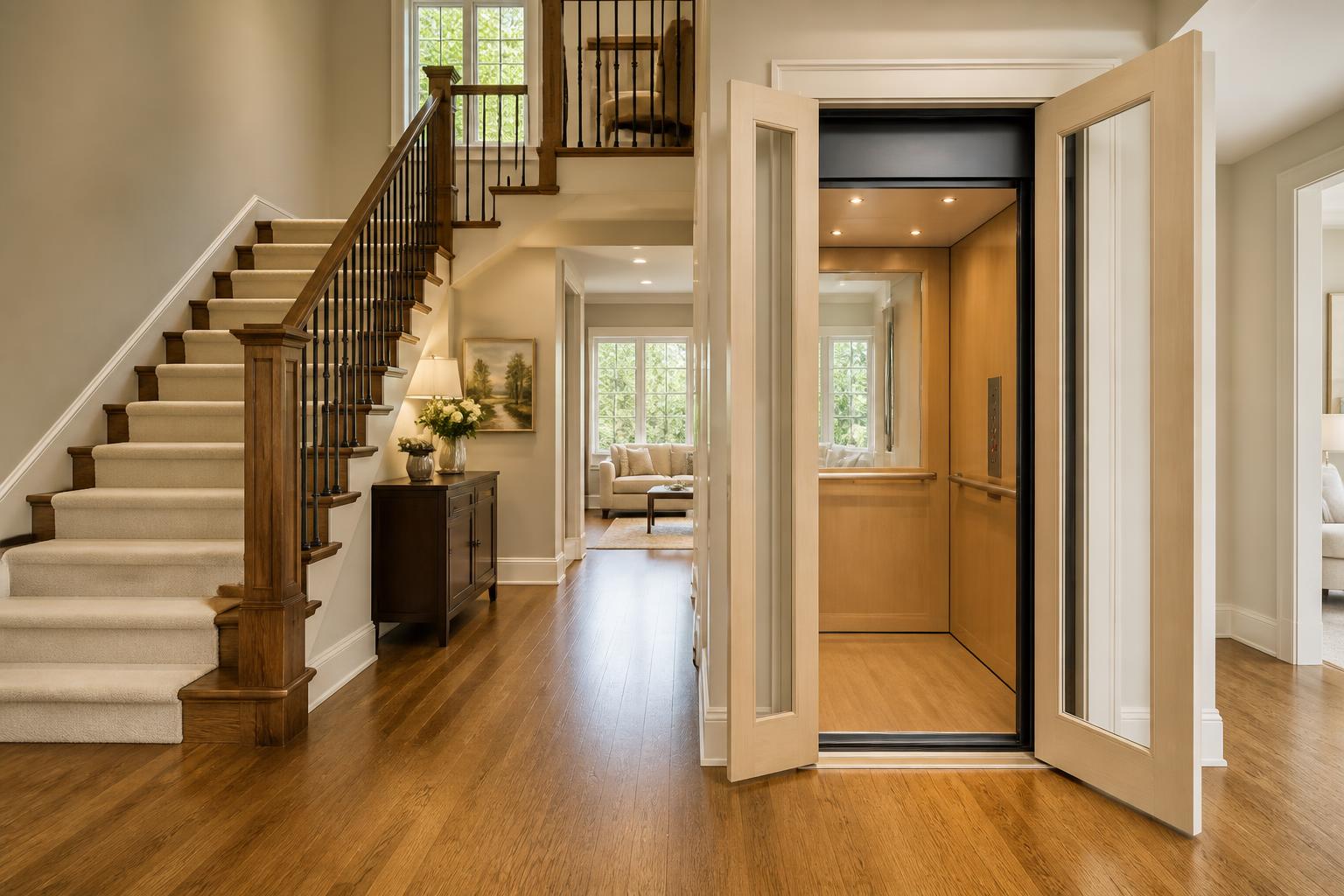
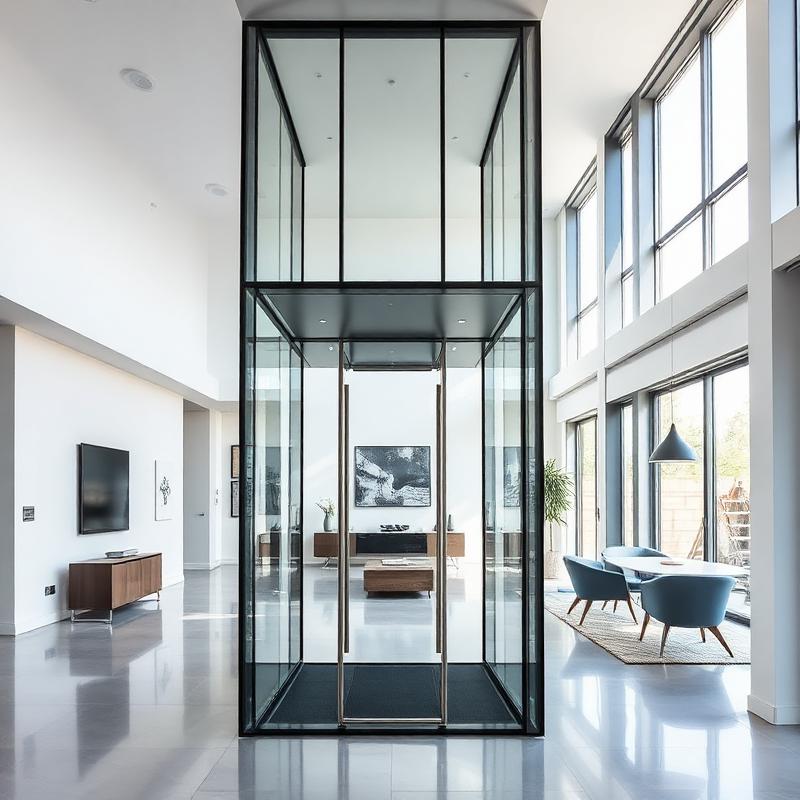
A residential elevator costs $25,000 to $100,000 or more installed. A shaftless through-the-floor lift in an existing home is the low end. A traditional hoistway elevator with a machine space, added to a house that was not designed for one, is the high end — and the construction is quoted by a general contractor, not the elevator dealer.
Shaftless through-the-floor lift
Two stops, minimal construction
$25,000 – $45,000
Traditional elevator, new build
Hoistway framed during construction
$35,000 – $60,000
Traditional elevator, retrofit
Structural work drives the total
$50,000 – $100,000
Vertical platform lift
Often the practical alternative
$8,000 – $20,000
Additional stop
Per floor beyond two
$10,000 – $18,000
The two invoices problem
Homeowners are routinely surprised because they compare an elevator dealer's equipment quote with another homeowner's all-in total. The dealer quote typically covers the elevator, its installation, and commissioning. Framing the shaft, cutting the floor, pouring a pit if required, running a dedicated circuit, drywall, flooring, and permits are all general contractor scope.
Ongoing costs nobody mentions at the sales table
- Annual service contract, typically $300 to $800
- State elevator inspection where required, $100 to $400 per cycle
- Battery replacement every three to five years
- Homeowner's insurance adjustment in some states
When a stair lift is the better answer
If the need is one person moving between two floors, a stair lift does the same job for roughly a tenth of the cost. An elevator earns its price when a wheelchair must travel between floors, when laundry and groceries move with the person, or when the household is planning for decades rather than years.
Frequently asked questions
Can you add an elevator to an existing home?
Usually yes. A shaftless lift needs roughly a 5x5 foot footprint and an opening cut through one floor. A traditional elevator needs a framed hoistway, which is a much larger structural project.
How much space does a home elevator need?
Shaftless models typically need 12 to 16 square feet. Traditional cabs generally need 18 to 25 square feet plus wall thickness, and often a shallow pit.
Do home elevators add resale value?
In luxury and multi-story markets they can help. In most markets you should expect to recover a minority of the cost, so buy for use rather than for return.
Keep reading
Sources
- Real Prices Paid submissions, 2025–2026 — Home Access Advisor
- ASME A17.1 residential elevator provisions, summary — Industry standards
Marcus Thorne
Senior Editor, Mobility Equipment
Marcus covers stair lifts, home elevators, and platform lifts for Home Access Advisor. He spent eleven years estimating residential remodels before moving into consumer publishing, and he reads dealer quotes for a living — which is why most of his guides start with the line items other sites leave out.
Covers: Stair lifts · Residential elevators · Installation pricing · Dealer quotes
Make Your Home Safer and Easier to Live In
Practical home-accessibility advice, product comparisons, and cost guides delivered to your inbox.
No spam, no pop-ups. Unsubscribe any time.