Stair Lifts
Stair Lift Alternatives
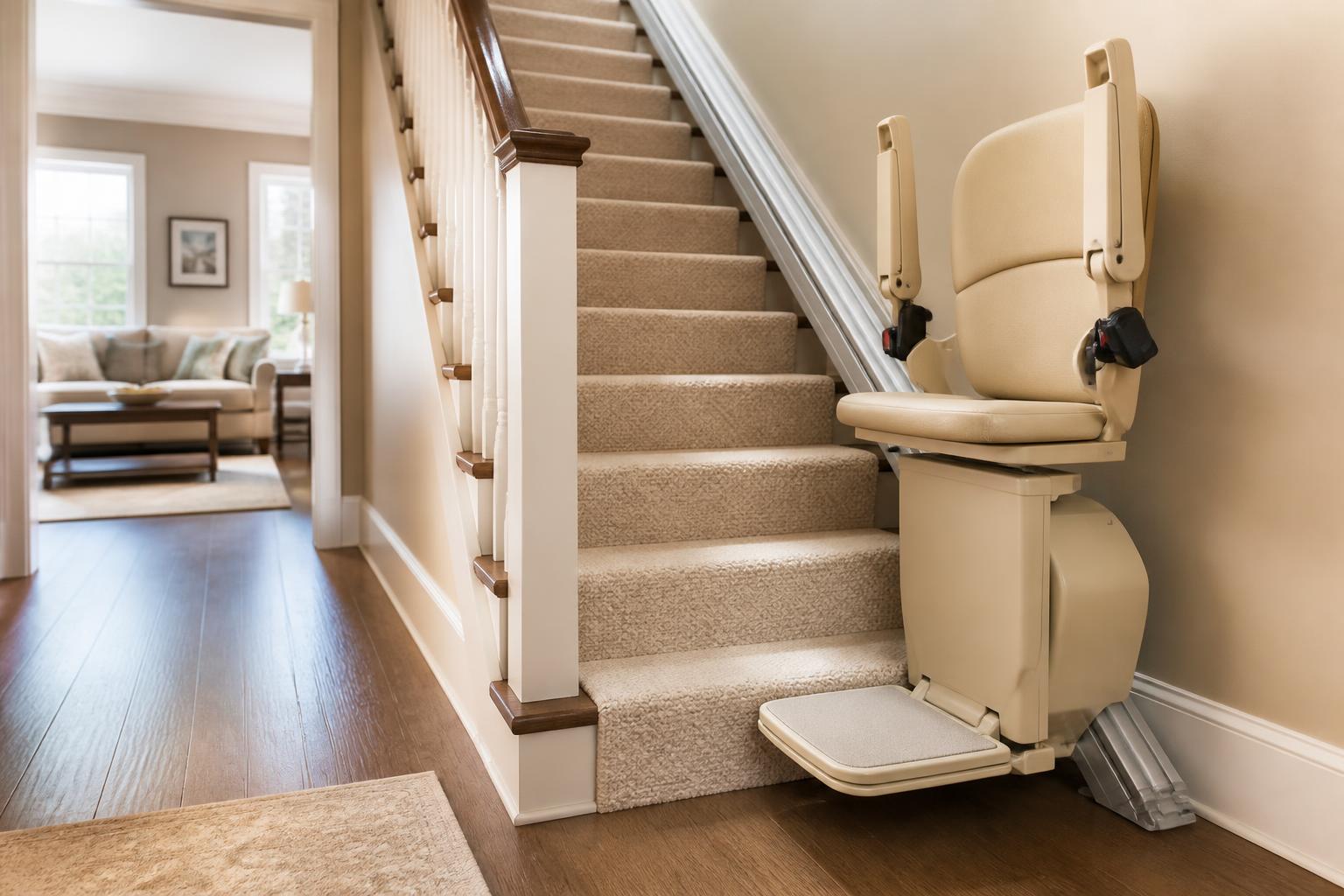
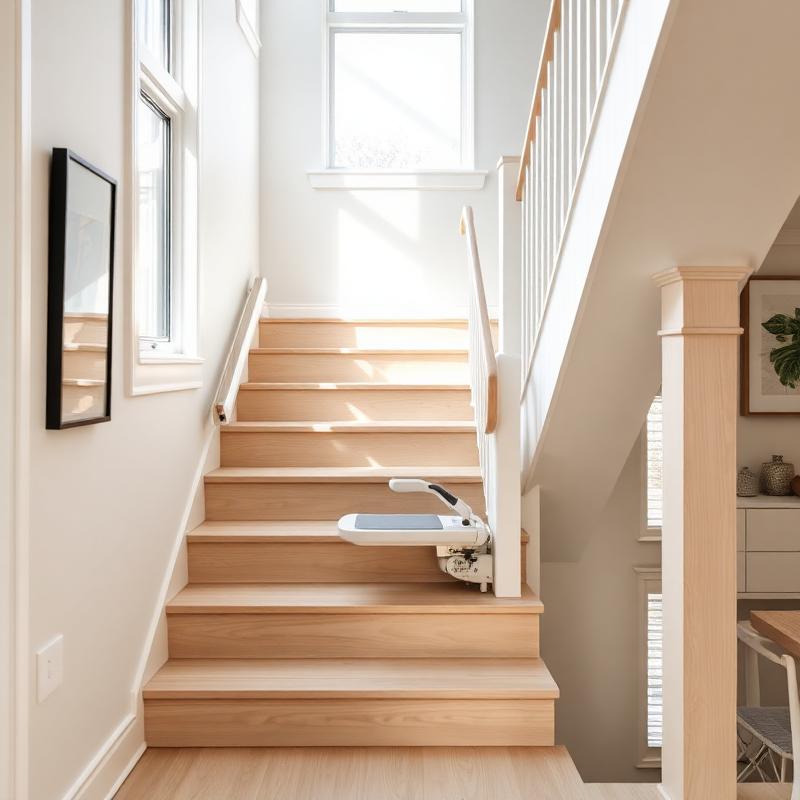
A stair lift solves a specific problem: moving a seated person up straight or curved stairs. When that is not the right fit, four other paths exist — and the best one depends on who is climbing and why.
Written by Marcus Thorne
Reviewed by Elena Marsh
Updated August 27, 2026
Fact-checked August 27, 2026
7 min read
Editorial policyScroll the table sideways to see all columns.
Start with the question the stairs are actually asking
Most people arrive at 'stair lift' before they have named the problem precisely. The useful first step is to separate two questions: who needs to get between floors, and how do they travel — walking with a handrail, in a wheelchair, or with a walker? A stair lift assumes the rider can transfer onto a seat at the bottom and stand up off it at the top, every time. If that transfer is the hard part, or a wheelchair itself must go up, a stair lift is a partial answer and the alternatives below deserve a closer look.
A second distinction matters: is the difficulty permanent or temporary? A six-month recovery changes the math entirely. A rental stair lift, a temporary bedroom downstairs, or even a short stay with family can cost less and serve better than any permanent equipment.
1. Ramps: the cheapest answer when the rise is short
A ramp is not an alternative to a stair lift on a full staircase — no residential ramp replaces a flight of interior stairs. But a ramp is the right and far cheaper answer when the real obstacle is an entry step, a threshold, or a short porch rise. Before comparing lifts, walk the route from the car to the chair the person will sit in. If a single entry step or a tall threshold is the only barrier, a modular aluminum ramp or even a threshold ramp solves it for a fraction of any lift.
- A threshold ramp ($50–$200) bridges a small lip at a doorway and folds or sits in place.
- A modular aluminum entry ramp ($1,000–$4,000) handles a few steps and installs without concrete.
- A long-run wood ramp can handle a taller rise but needs a large yard footprint at a safe slope and may require a permit.
The tradeoff is space. The widely referenced 1:12 accessible slope means one foot of ramp for every inch of rise — a 30-inch entry needs about 30 feet of ramp plus landings. Use the ramp length calculator to see whether the geometry fits before paying for anything.
2. Vertical platform lifts: a wheelchair up a short rise
A vertical platform lift — often called a porch lift when used at an entry — is an open platform that rises vertically, carrying a wheelchair and a rider together. It is the standard solution for a tall entry rise, a garage-to-house level change, or a split-level half-flight where a ramp would not fit and an elevator is overkill.
Platform lifts typically cost $8,000–$20,000 installed, sit between a ramp and a full elevator on price, and need a concrete pad and a weatherproof power source when used outdoors. Most codes limit their travel height, which makes them right for porches and short level changes but not for traveling a full story inside the home.
3. Home elevators: when a wheelchair must travel full floors
If the person uses a wheelchair or cannot transfer onto a stair-lift seat, and the need is to move between full floors of a finished home, a home elevator is the honest answer. It carries a wheelchair, a walker, laundry baskets, and a future owner — at a price that reflects all of that. Traditional through-floor and hydraulic elevators run $25,000–$100,000+ and require a hoistway, a pit in most designs, and a dedicated circuit. Shaftless and pneumatic lifts reduce the construction footprint and can sometimes be added to an existing home by cutting a floor opening between stacked closets.
An elevator is also the option that protects resale value most directly, because the next owner may want it for the same reason. The decision is not only about today's need; it is about whether the home stays viable for the household over the next decade.
4. Main-floor living: remove the stairs from daily life
Often the simplest alternative is not equipment at all. If the home has a bedroom and a full bathroom on the main level — or could have one by finishing a den or adding an accessible bathroom — relocating daily life downstairs removes the stairs from the equation entirely. This is single-floor or main-floor living, and for many households it is the most reliable long-term solution because it depends on no machinery, no service contract, and no battery.
- Reassigning an existing main-floor room as the bedroom costs nothing in equipment and a few hundred to a few thousand in small modifications — a wider door, grab bars, a better light.
- Finishing a den, office, or bonus room into a bedroom runs $5,000–$25,000 depending on whether it needs egress, closet, and electrical work.
- Adding or remodeling a main-floor accessible bathroom is the larger investment — an accessible bathroom remodel commonly runs $10,000–$30,000 — but it is the change that makes main-floor living actually work.
The tradeoff is giving up upstairs space, and some homes simply lack a main-floor room that can become a bedroom. Where the space exists, though, main-floor living solves the problem permanently and often costs less than an elevator.
5. Short-term needs: rental or a temporary move
If the difficulty is recovery from surgery, a fracture, or a temporary condition expected to resolve, a permanent lift is the wrong purchase. A stair lift rental runs roughly $300–$600 per month plus a one-time installation and removal fee, and the straight-rail rental market is well established. Curved rails are rarely rented because the rail is custom. For a few weeks of recovery, moving a bed and a commode downstairs — or a brief stay with family — can be cheaper still.
How the choices stack up
No single option is best. The right answer is the one that matches who is climbing, how they travel, how long the need lasts, and what the home allows.
Scroll the table sideways to see all columns.
A way to think about the decision
- Name who needs to move and how they travel — walking, with a walker, or in a wheelchair.
- Estimate how long the need lasts — weeks, months, or the rest of the time in the home.
- Look at the home: is there a main-floor room and bathroom, a stacked-closet location for an elevator, or a yard that fits a ramp?
- Get two professional assessments: one medical (an occupational therapist) and one structural (an accessibility contractor) — before buying anything.
- Match the option to the answers, not to what a single salesperson sells.
If the conclusion is that a stair lift is in fact the right fit, that is a reasonable outcome — the alternatives exist because the stair lift is wrong for a lot of people, not because it is wrong for everyone. See the stair lift cost guide and the comparison of straight versus curved lifts to understand what you would be buying.
Frequently asked questions
What is the cheapest alternative to a stair lift?
It depends on the obstacle. For an entry step or threshold, a modular ramp or threshold ramp is far cheaper than any lift. For a full interior staircase, the cheapest real option is often main-floor living — relocating the bedroom downstairs — which can cost nothing in equipment if the home already has a suitable room and bathroom.
Can a wheelchair go up stairs without a stair lift?
Not on a stair lift — a stair lift requires the rider to transfer to a seat. A wheelchair must travel between floors on a platform lift (for short rises), a home elevator (for full floors), or by moving daily life to a single level. No residential device carries a seated wheelchair user up a typical flight of interior stairs.
Is a home elevator or a stair lift better for resale?
A home elevator generally adds broader resale value because it serves wheelchairs, walkers, and people carrying items, and it appeals to a wider range of future buyers. A stair lift serves a narrower need and is more often removed by the next owner. Both can be the right choice; resale is only one factor.
When does main-floor living make more sense than any lift?
When the home already has — or can reasonably gain — a main-floor bedroom and an accessible bathroom, and the household expects to age in that home. It removes the dependence on equipment and service entirely, which is its main advantage.
Should I rent a stair lift instead of buying?
Renting makes sense for a temporary need expected to resolve in a few months, such as recovery from surgery. For a permanent change in mobility, buying is usually cheaper over the time the lift is used. Curved-rail lifts are rarely available to rent because the rail is custom to one staircase.
Keep reading
Sources
- Aging-in-place and home modifications overview — U.S. Centers for Disease Control and Prevention
Marcus Thorne
Senior Editor, Mobility Equipment
Marcus covers stair lifts, home elevators, and platform lifts for Home Access Advisor. He spent eleven years estimating residential remodels before moving into consumer publishing, and he reads dealer quotes for a living — which is why most of his guides start with the line items other sites leave out.
Covers: Stair lifts · Residential elevators · Installation pricing · Dealer quotes
Make Your Home Safer and Easier to Live In
Practical home-accessibility advice, product comparisons, and cost guides delivered to your inbox.
No spam, no pop-ups. Unsubscribe any time.