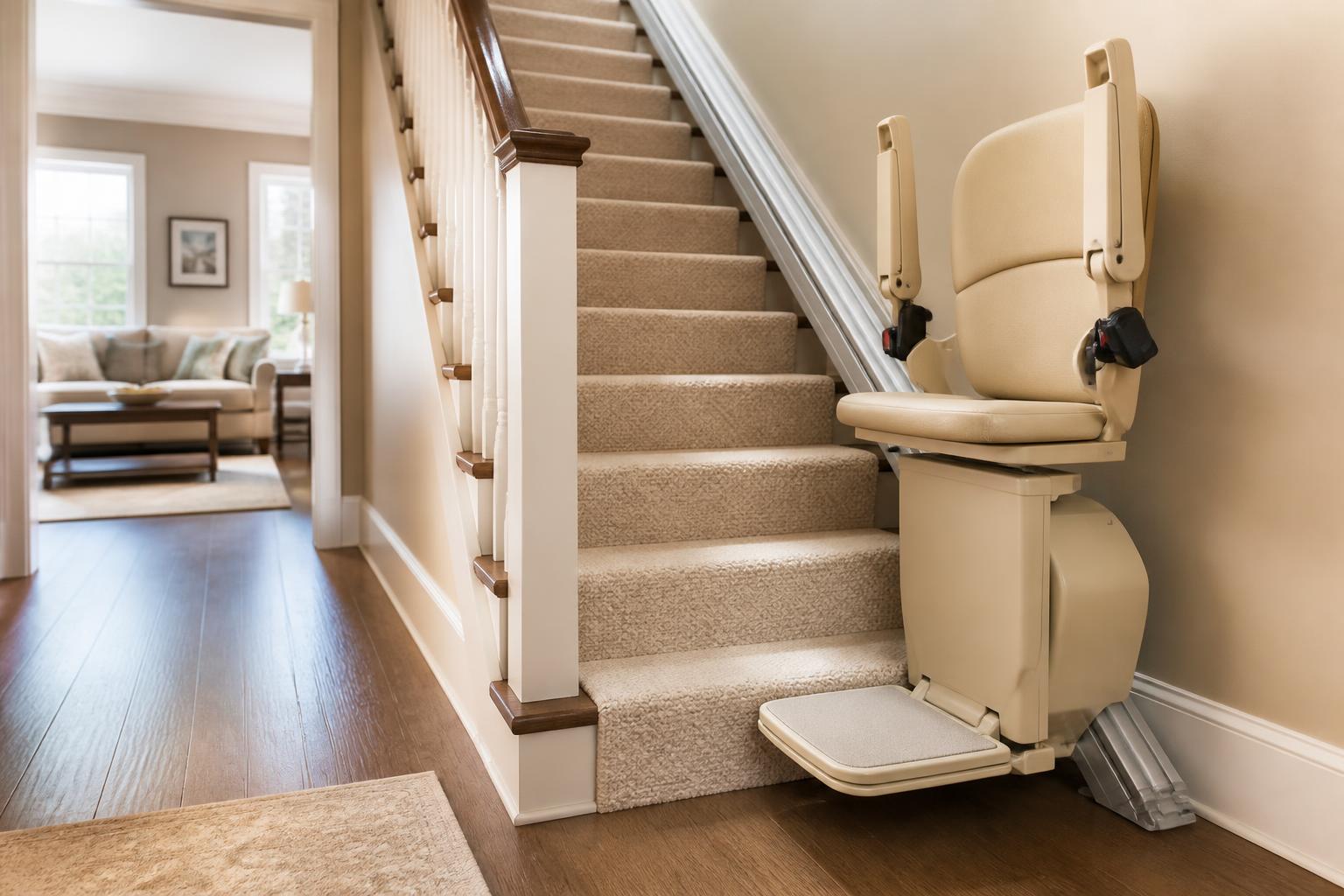
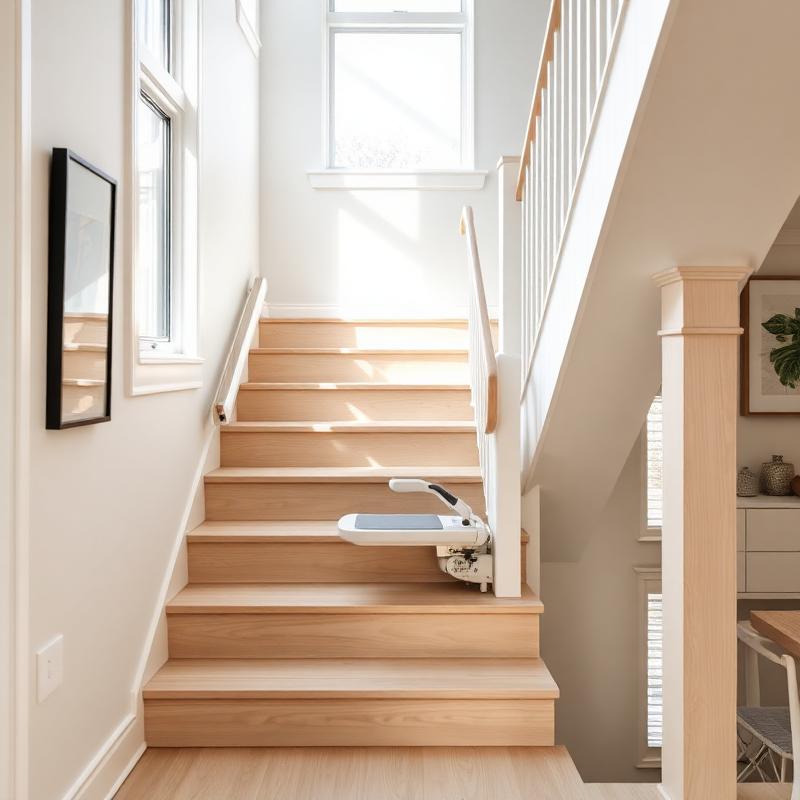
Stair Lifts
Stair Climbers and Powered Stair-Climbing Chairs: When They Make Sense
A stair climber is the no-installation answer to stairs: nothing bolts to the house, and the same device works on any staircase. The catch is that most models need a second person to operate them.
Written by Marcus Thorne
Reviewed by David Chen
Updated August 27, 2026
Fact-checked August 27, 2026
3 min read
Editorial policyScroll the table sideways to see all columns.
The two very different products called 'stair climbers'
- Attendant-operated climbers: a tracked or wheeled base with a seat (or a dock for a manual wheelchair). A second person stands behind, balances, and controls the climb. Common in Europe, in schools, and in emergency evacuation.
- Self-operated stair-climbing wheelchairs: powered chairs that climb stairs on their own using advanced wheel-and-track systems. Genuinely independent but heavy, expensive, and still a niche product category.
Where a stair climber is the right answer
- Renting: nothing attaches to the building, so no landlord permission battle and no holes to patch.
- Multiple staircases: one device serves the front steps, the back deck, and a relative's house.
- Temporary needs: post-surgery recovery measured in weeks, or while waiting months for a curved rail to be fabricated.
- Travel: folding attendant models fit in a car trunk for visits to inaccessible homes and venues.
- Evacuation backup: buildings where a lift user could be stranded upstairs in a power or equipment failure.
Limits to know before buying
- Weight limits matter twice: the rider's weight and the operator's ability to manage the combined load at a tilt.
- Spiral, very narrow, or uneven exterior stairs can exceed some models' limits — check minimum stair width and maximum step height in the spec sheet.
- Battery range is measured in flights; a device rated for 30 flights per charge needs a charging routine.
- Storage: the device lives somewhere between uses, and it is not small.
Cost picture
Attendant-operated climbers typically run $2,000–$6,000. Self-operated stair-climbing wheelchairs start around $15,000 and can exceed $30,000. Against that, a straight stair lift installed is $3,000–$6,000 — which is why climbers win on flexibility, not price, for home use.
Can one person use a stair climber alone?
Attendant models: no — they require a trained operator behind the device. Self-operated stair-climbing wheelchairs exist and work, but at $15,000+ they compete with home elevators on price.
Are stair climbers covered by Medicare or insurance?
Rarely. They are usually classified as convenience or non-covered mobility equipment. Veterans should ask the VA, and some state assistive-technology programs lend or fund them.
Stair climber vs stair lift for a rental home?
If someone reliable can always operate the climber, it avoids the installation conversation entirely. If the renter needs to use stairs independently, a stair lift with the landlord's written permission is the safer answer — installation holes in treads are small and patchable.
Keep reading
Sources
- Assistive technology programs by state — Administration for Community Living
Marcus Thorne
Senior Editor, Mobility Equipment
Marcus covers stair lifts, home elevators, and platform lifts for Home Access Advisor. He spent eleven years estimating residential remodels before moving into consumer publishing, and he reads dealer quotes for a living — which is why most of his guides start with the line items other sites leave out.
Covers: Stair lifts · Residential elevators · Installation pricing · Dealer quotes
Make Your Home Safer and Easier to Live In
Practical home-accessibility advice, product comparisons, and cost guides delivered to your inbox.
No spam, no pop-ups. Unsubscribe any time.