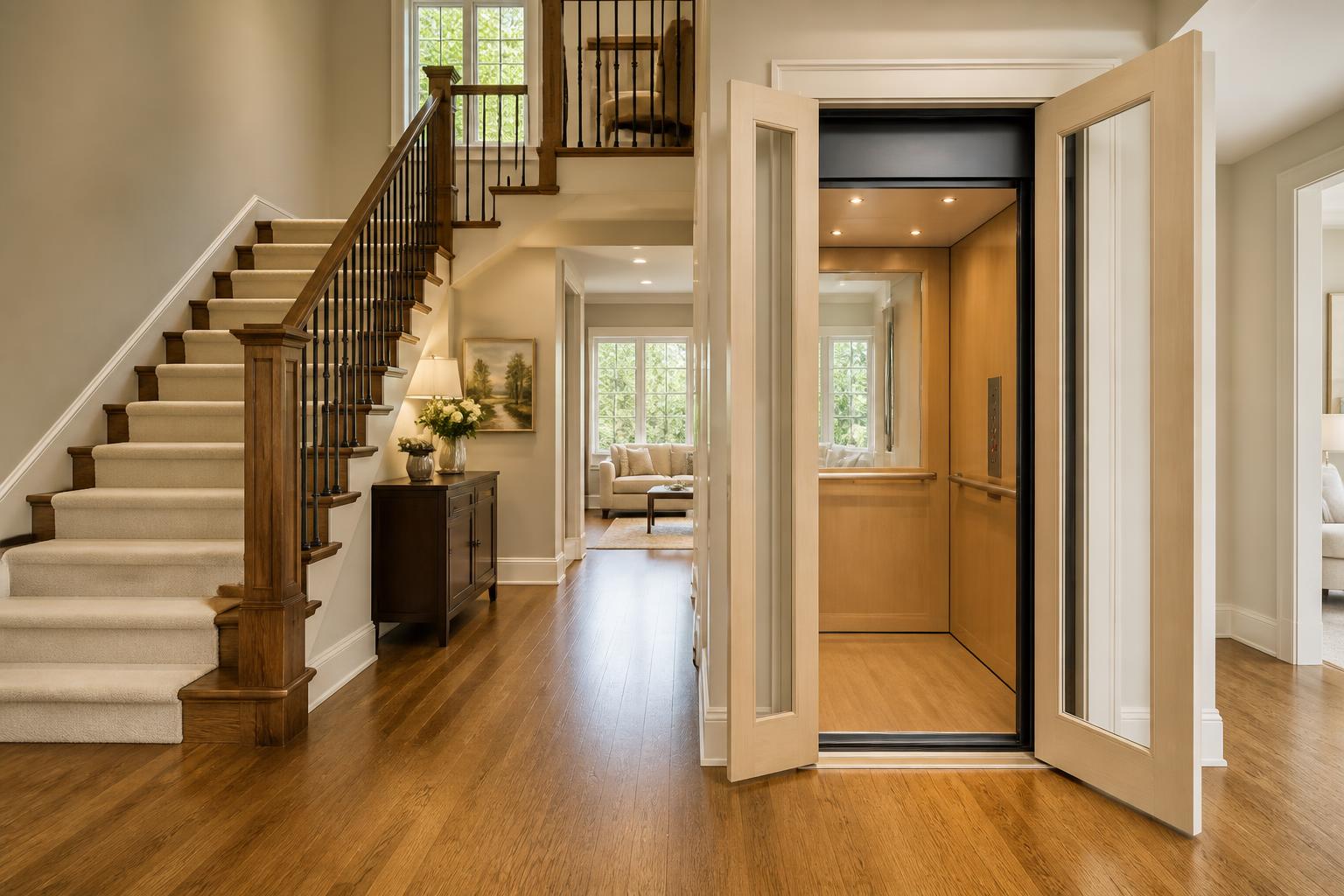
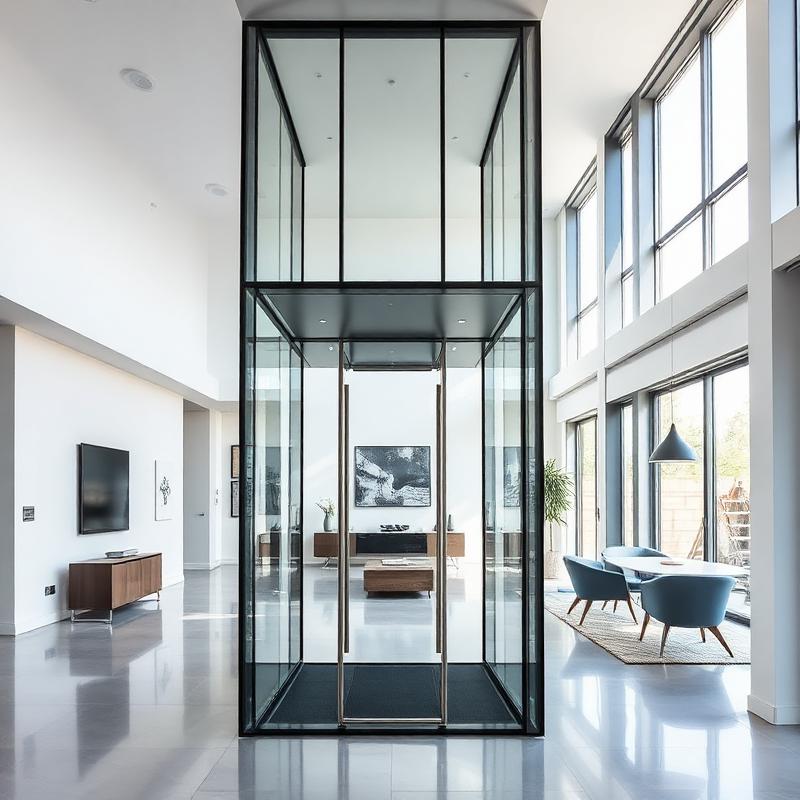
Home Elevators
Traditional Home Elevators
Full hoistway systems: more capacity, more stops, and real construction.
- Hydraulic systems are the most common residential type and need a machine space.
- Traction systems are quieter and more efficient, with a higher equipment price.
- Expect $35,000–$60,000 in new construction and $50,000–$100,000 as a retrofit.
- Most jurisdictions require permits and periodic inspection.
The three drive types
Hydraulic elevators use a piston and a pump, and are the workhorse of residential installs. Traction elevators use counterweights and cables, run quieter, and cost more. Pneumatic vacuum tubes are compact and visually striking but limited in capacity and typically not wheelchair-friendly.
What the construction involves
A framed hoistway on every level, a pit at the bottom in most designs, a dedicated circuit, fire-rated door assemblies, and inspection. This is a general contractor project with an elevator inside it.
Keep reading
Marcus Thorne
Senior Editor, Mobility Equipment
Marcus covers stair lifts, home elevators, and platform lifts for Home Access Advisor. He spent eleven years estimating residential remodels before moving into consumer publishing, and he reads dealer quotes for a living — which is why most of his guides start with the line items other sites leave out.
Covers: Stair lifts · Residential elevators · Installation pricing · Dealer quotes
Make Your Home Safer and Easier to Live In
Practical home-accessibility advice, product comparisons, and cost guides delivered to your inbox.
No spam, no pop-ups. Unsubscribe any time.